

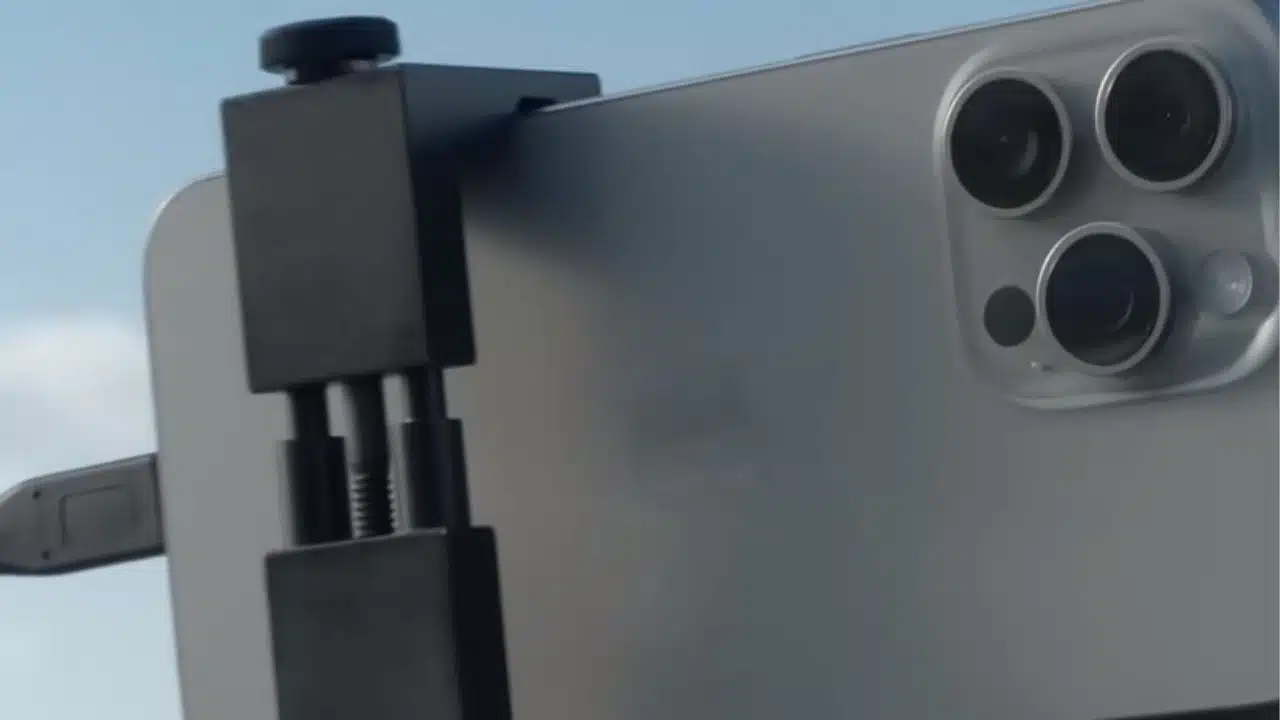
During Apple’s September 12 event, they unveiled some truly impressive features for the new iPhone 15 series, with a particular focus on the camera capabilities. Across all the new iPhones, there are several cutting-edge computational photography features that allow you to adjust the focus of a photo after you’ve taken it.
This means you can transform a regular photo into a portrait-style shot without needing to select “portrait mode” or specify the focus settings before clicking the shutter. Essentially, it grants you the flexibility to change the point of focus even after you’ve captured the image.
However, the iPhone 15 Pro Max takes things to the next level with its remarkable 5x zoom, making it the most substantial zoom ever seen in an iPhone. This is achieved using a lens with a 120mm focal length. Now, you might be scratching your head a bit at this point. After all, the iPhone 15 Pro Max is a remarkably slim device, measuring only 8.25mm in depth. Unlike dedicated cameras, it doesn’t have those protruding telescopic lenses. So, how is Apple managing to pull off this impressive zoom capability?
The magic behind this innovation lies in Apple’s advanced engineering and design. Instead of relying on bulky external lenses, the iPhone 15 Pro Max incorporates sophisticated internal components and software algorithms. These elements work seamlessly together to provide users with the 5x zoom functionality without compromising the device’s sleek and compact form.
In essence, Apple continues to push the boundaries of what is possible in smartphone photography, making it easier than ever for users to capture stunning and creative shots with their iPhones. The iPhone 15 Pro Max’s 5x zoom is a testament to their commitment to delivering top-notch camera technology in a pocket-sized package.
Periscope Lenses with Tetraprism
The camera setup in the iPhone 15 Pro Max boasts a unique feature called a tetraprism design, which is essentially a clever arrangement of mirrors that light bounces off. This design allows light to travel a longer path, specifically four times longer, within the constraints of the iPhone’s compact space.
Apple’s promotional materials highlight their innovative 3D sensor-shift optical image stabilization and autofocus module, which can move in all three directions to support the tetraprism design. According to Apple, this system represents their most advanced stabilization technology to date, enabling twice as many micro-adjustments as previous iterations. In fact, they specify that it can make “up to” an impressive 10,000 micro-adjustments every second.
It’s worth noting that while this technology may be new to iPhones, it’s not entirely unprecedented in the world of smartphones. For instance, Samsung’s Galaxy S23 Ultra features a “folded periscope” zoom lens, which offers a substantial 10x optical zoom with a 230mm focal length. However, it’s essential to remember that the Galaxy S23 Ultra is a bit bulkier compared to the iPhone 15 Pro Max.
So, if you’re a photography enthusiast seeking a high-end smartphone with a significant optical zoom capability, it’s essential not to let brand loyalty overshadow your decision-making process. Both Apple and Samsung are pushing the boundaries of what’s possible in smartphone photography, and the choice ultimately comes down to your personal preferences and priorities.





















