In the ever-evolving world of data-driven marketing, first-party data has become the holy grail for businesses. It’s like having the secret sauce to better understand your customers, personalize your marketing efforts, and boost your ROI. But how do you get your hands on this precious resource? Enter lead capture at events—the best way to gather valuable first-party data while making meaningful connections with your audience. In this article, we’ll dive deep into why lead capture is essential for every business and how it can turbocharge your marketing efforts.
1. What Is First-Party Data?
The Gold Standard of Data
First-party data is the data that a business collects directly from its customers or audience. It’s like having a direct line to your audience, allowing you to understand their preferences, behaviors, and needs better. This data is not purchased or acquired from third-party sources; it’s your own, making it the most reliable and accurate information available.
2. Why First-Party Data Matters
Hyper-Personalization
In an era where consumers are bombarded with generic advertisements, personalization is the key to standing out. First-party data enables you to create highly personalized marketing campaigns that resonate with your audience on a deeper level. You can tailor your messages, offers, and recommendations based on the unique preferences of each individual.
Improved Customer Engagement
Understanding your customers’ preferences and behaviors allows you to engage with them in a more meaningful way. You can send relevant content, product recommendations, and promotions that align with their interests, increasing the likelihood of conversion and long-term loyalty.
Data Privacy Compliance
With increasing concerns about data privacy and regulations like GDPR and CCPA, first-party data is a safe and compliant option. You have full control over how you collect, store, and use the data, ensuring that you meet all legal requirements.
3. The Role of Lead Capture in Events
Events as Data Goldmines
Events, whether they are trade shows, conferences, or product launches, provide an excellent opportunity to collect first-party data. Attendees willingly share their information when they register or visit your booth, making events a treasure trove of valuable data.
Making Real Connections
Unlike online interactions, events offer face-to-face engagement, allowing you to establish genuine connections with your audience. This personal touch not only makes attendees more comfortable sharing their information but also strengthens brand loyalty.
4. How Lead Capture Works
Event Registration
The lead capture process typically begins with event registration. Attendees provide their contact information and often answer specific questions that help you categorize and segment them.
Booth Interactions
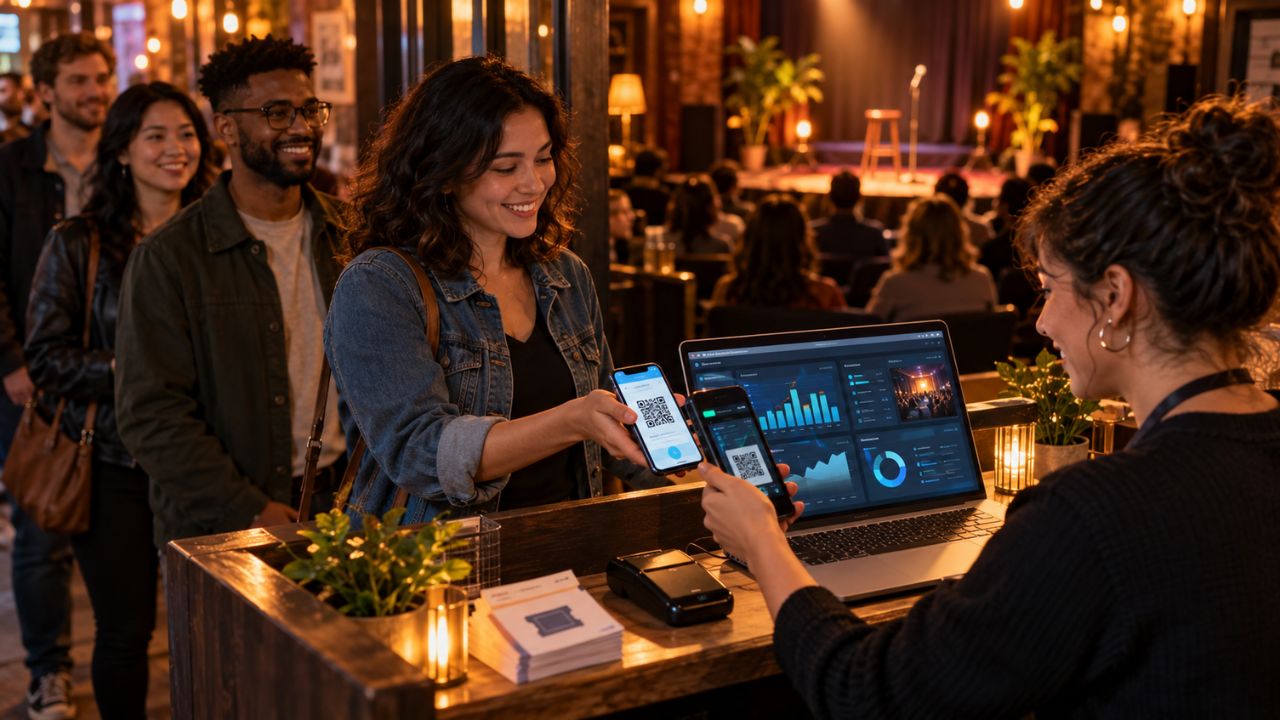
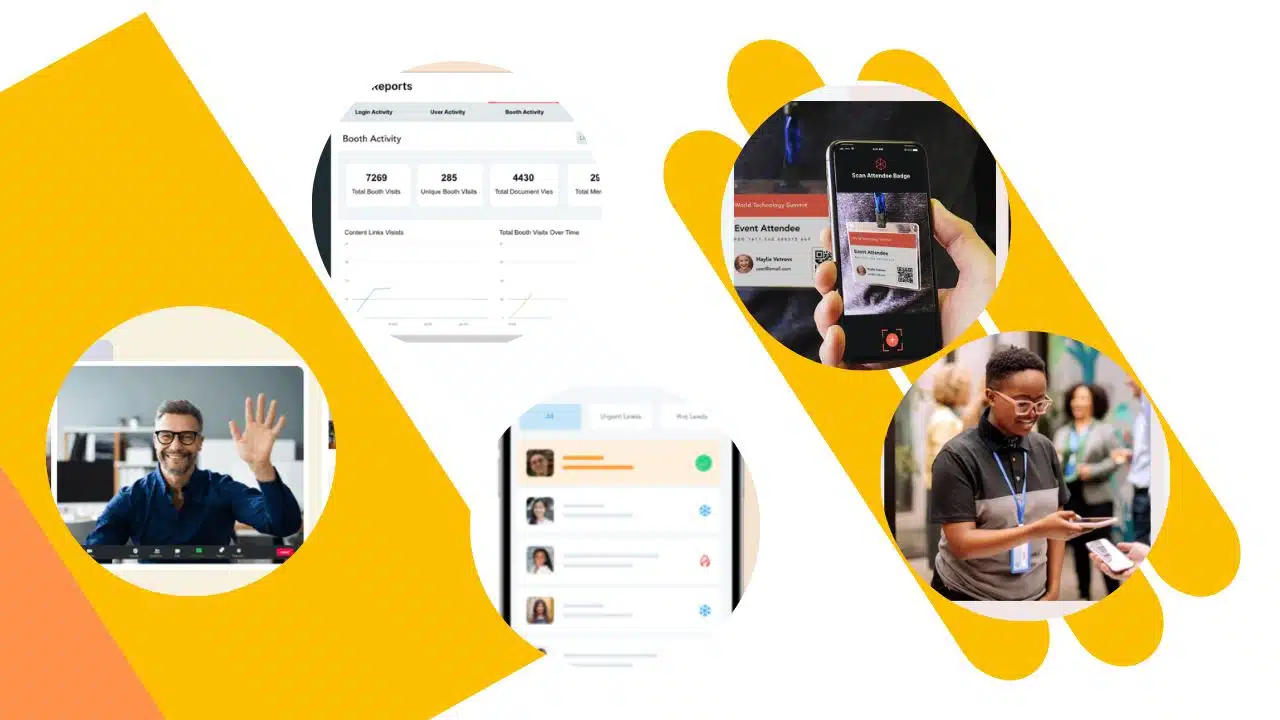
For businesses with booths or exhibition spaces at events, lead capture can be taken to the next level. You can use various methods such as badge scanners, mobile apps, or even good old-fashioned paper forms to capture attendee information when they visit your booth or attend your presentations.
5. Types of First-Party Data You Can Capture
Contact Information
This includes names, email addresses, phone numbers, and physical addresses. Having this information allows you to communicate directly with your audience through various channels.
Demographics
Understanding the demographics of your audience, such as age, gender, location, and job title, helps you create more targeted marketing campaigns.
Behavioral Data
Track attendee behavior at events to gain insights into their interests and preferences. Which sessions did they attend? Which products did they show interest in? This data is invaluable for tailoring your marketing efforts.
Feedback and Surveys
Events are the perfect opportunity to gather feedback and conduct surveys. Ask attendees about their experience, what they liked or disliked, and what improvements they suggest. This information can guide your future event planning and marketing strategies.
6. The Importance of Data Quality
Garbage In, Garbage Out
The quality of your first-party data is crucial. Inaccurate or outdated information can lead to ineffective marketing campaigns and wasted resources. Ensure that your lead capture methods are accurate, and regularly clean and update your database to maintain data integrity.
7. Using First-Party Data Effectively
Segmentation and Personalization
Once you’ve collected first-party data, use it to segment your audience. Create distinct customer personas based on demographics, behaviors, and preferences. Tailor your marketing messages and offers to each segment for maximum impact.
A/B Testing
First-party data allows you to conduct A/B testing more effectively. Test different messaging, offers, and content with specific audience segments to determine what resonates best.
Customer Journey Mapping
Map out the customer journey using first-party data. Understand the touchpoints and interactions that lead to conversions, and optimize those pathways for better results.
Predictive Analytics
Leverage your first-party data for predictive analytics. Identify patterns and trends that can help you anticipate customer needs and behaviors, allowing you to stay one step ahead in your marketing strategies.
8. Building Trust Through Transparency
Honesty Is Key
When collecting first-party data at events, be transparent about how you intend to use it. Inform attendees about your data collection practices and reassure them that their information will be handled securely and in compliance with relevant privacy regulations.
Offer Value in Return
Incentivize attendees to share their information by offering value in return. This could be exclusive content, discounts, or access to resources that are relevant to their interests.
Conclusion
In the age of data-driven marketing, businesses that harness the power of first-party data gain a significant advantage. Lead capture at events provides a unique opportunity to gather high-quality first-party data while establishing genuine connections with your audience. It’s a win-win situation: attendees get to engage with your brand in a meaningful way, and you acquire the insights you need to supercharge your marketing efforts.
So, if you haven’t already, make lead capture at events a priority—it’s the best way to get first-party data and an essential strategy for every business looking to thrive in the modern marketplace.