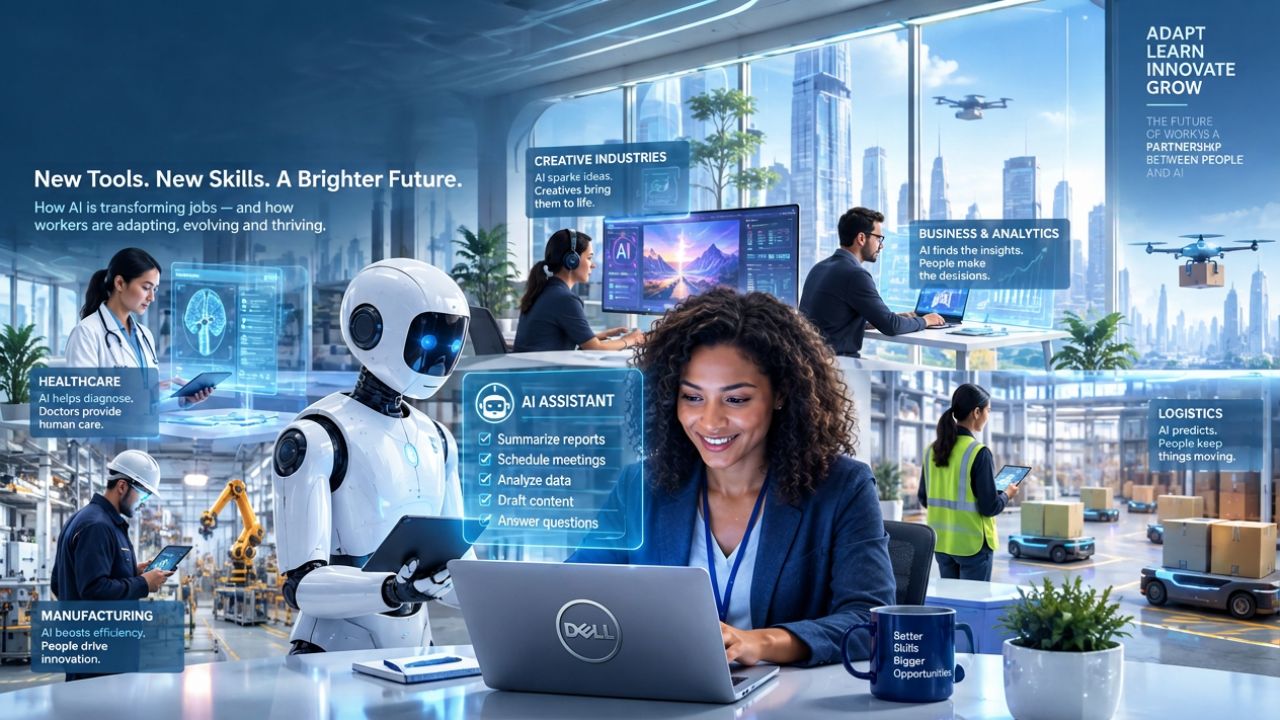
In the fast-paced hospitality industry world, it is crucial for businesses to stay competitive by keeping up with evolving trends and meeting customer expectations. Investing in employees has become a top priority with the emergence of technologies and changing customer preferences. Implementing upskilling and reskilling programs has proven essential for employee development, enabling hoteliers to enhance their workforce’s skills while boosting productivity and ensuring guest satisfaction.
The Significance of Employee Development
In today’s changing landscape of the hospitality industry, investing in the development of employees is no longer considered a luxury but a necessity. By offering opportunities for upskilling and reskilling through LMS like DiscoverLink, employers provide their workforce with the knowledge and abilities required to excel in their roles. The benefits extend beyond acquiring skills; it fosters a culture that promotes learning, adaptability, innovation, and overall professional growth.
Improving Guest Satisfaction
Upskilling and reskilling initiatives within the hospitality industry play a huge role in elevating guest satisfaction levels. Through training programs that enhance knowledge and expertise, employees are better equipped to deliver customer service. Whether it involves refining communication skills or mastering technologies to streamline operations, these initiatives empower employees to exceed customer expectations by creating experiences that encourage guests to return.
Adapting to the Changing Landscape of Technology
The hospitality industry has been profoundly impacted by technological advancements. From automated check-ins to mobile concierge apps and digital marketing platforms, hotels now require employees who can effortlessly navigate these tools and communicate effectively across channels. By investing in upskilling programs, hotels ensure that their staff is proficient with emerging technologies, enabling them to utilize these tools and provide guest experiences.
Harnessing the Power of Data Analytics
Data analytics has revolutionized the way hoteliers make decisions in the hospitality industry. However, collecting data alone is not sufficient; it requires professionals who can interpret this information effectively. By investing in reskilling programs focused on data analytics, hotels empower their employees to make informed decisions, predict customer preferences, identify areas for improvement, and optimize efficiency.
Nurturing Leadership Skills
Effective leadership is crucial at every level within the hospitality industry. Upskilling and reskilling programs offer an opportunity to cultivate leadership skills among employees. Designed training courses enable individuals to enhance their management capabilities, preparing them for managerial positions within the organization. Investing in leadership development not only benefits employees but also fosters a culture of continuous improvement throughout the entire organization.
The Importance of Soft Skills
While technical expertise is certainly valuable, soft skills are equally crucial for delivering guest experiences in the hospitality industry. Abilities such as communication, problem-solving, empathy, and teamwork have an impact on customer satisfaction levels. Investing in upskilling programs that focus on developing these skills ensures that employees possess a rounded skill set necessary for success in the industry.
Supporting Career Growth
By implementing upskilling and reskilling initiatives, organizations demonstrate their commitment to employee development. Provide opportunities for career advancement within the hospitality industry. These efforts boost employee morale and engagement and reduce turnover rates. Creating pathways for promotions and growth based on merit and capability motivates employees to remain loyal during challenging times.
The Importance of Collaboration and Cross-Training in Employee Development
In the changing world of hospitality, collaboration, and cross-training are components of employee development. Businesses cultivate a culture of learning and professional growth by fostering teamwork and knowledge sharing among team members. Here’s how collaboration and cross-training contribute to employee development in the hospitality industry.
Collective Knowledge through Collaboration
Promoting teamwork among team members is essential as it allows employees to benefit from viewpoints and experiences, resulting in the growth of knowledge. Employees learn from each other when they collaborate on projects or problem-solving tasks. Also, they gain fresh insights and develop innovative approaches. This collaborative work environment fosters a sense of support and a shared sense of purpose, contributing significantly to employee satisfaction.
Building Resilience through Cross Training
Cross-training involves providing employees with training in roles or departments within an organization. This practice enables companies to have a workforce that can handle tasks and quickly adapt to changing business needs. By engaging in cross-training, individuals get the opportunity to acquire skills beyond their job responsibilities, expand their knowledge base, and open up new career prospects within the company.
Conclusion
Collaboration and cross training are strategies for promoting employee growth in the hospitality industry. By encouraging teamwork embracing perspectives and offering functional training opportunities businesses can create resilient teams capable of overcoming challenges and fostering innovation. By prioritizing collaboration and cross training initiatives companies can leverage the knowledge and skills of their workforce leading to increased productivity, creativity and ultimately success, in this evolving industry.