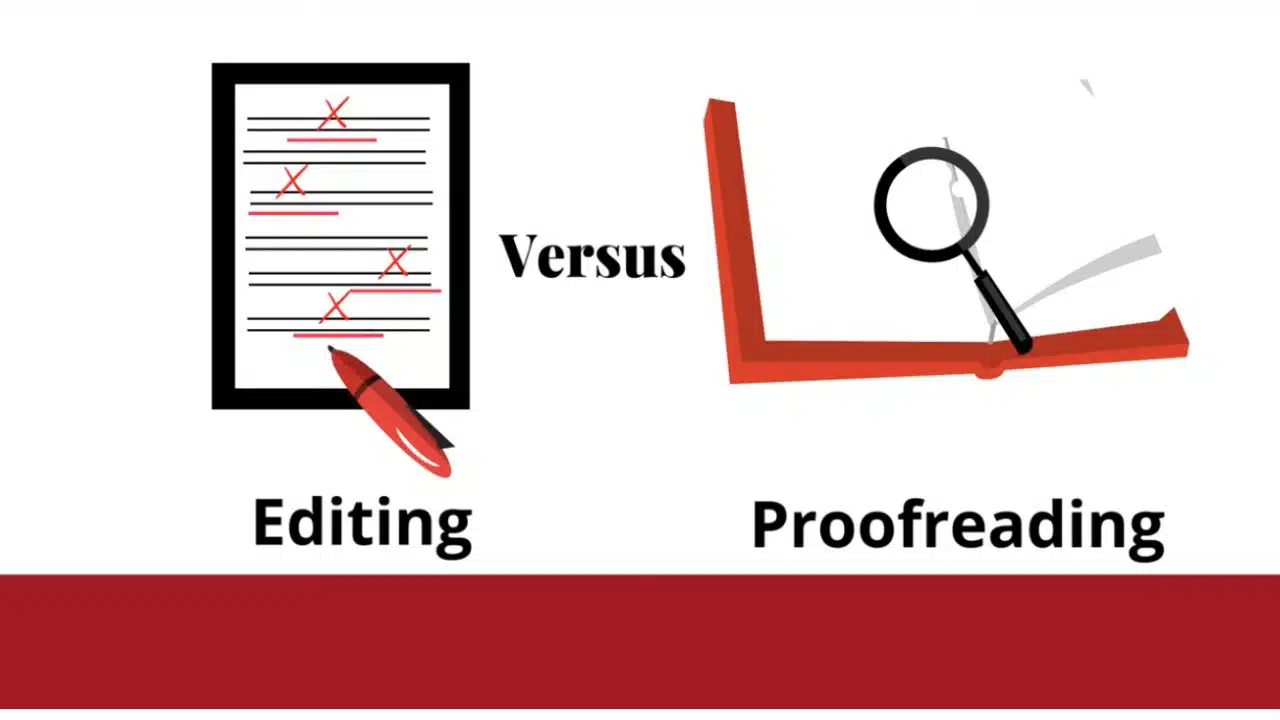
As you finish writing your first draft, manuscript, or any type of content, you may think that the work is done and the manuscript is ready to be published! But that’s not the case; the real work starts when you finish writing. Once the first draft is prepared, it should go through several processes to ensure that the content is precise.
Can you guess what those post-writing processes are? Well, you guessed it right; it’s editing and proofreading. I am sure you all have heard of these terms, It’s common for people to encounter terms like editing and proofreading, but the distinctions between them can sometimes be unclear.
In today’s article, we will uncover the vital difference between copyediting, and proofreading.
Understanding Copyediting
Copy editing is the precise and methodical process of enhancing written content to ensure clarity, coherence, and professionalism. It involves the expertise of a professional who examines the manuscript, scrutinizing every word, sentence, and paragraph. The copyeditor’s primary objective is to refine the text, addressing grammatical inaccuracies, syntactical inconsistencies, and structural flaws.
Tasks Involved in Copyediting
1. Fixing Mistakes: Copyediting involves the correction of spelling, grammar, and punctuation errors. It ensures that the language used in the content adheres to established conventions, maintaining the integrity of the text.
- Improving Clarity: The process of copyediting focuses on enhancing the clarity of the writing. This means ensuring that sentences are not only grammatically correct but also structured in a way that is easy to understand.
- Maintaining Consistency: Copyeditors ensure consistency in tone and style throughout the writing. Consistent language use provides a smooth and cohesive reading experience, preventing any disruptions in the flow of the content.
- Checking Facts: Fact-checking is an integral part of copyediting. It involves thorough verification of information and scrutiny of sources. This process enhances the credibility of the content by ensuring that all statements and claims are accurate and well-supported.
- Formatting: Proper formatting is the final step in copyediting. It involves adherence to specific rules and guidelines, such as using the correct font, spacing, and layout. Correct formatting gives the content a polished and professional appearance, making it visually appealing and easy to read.
Exploring Proofreading
Proofreading serves as the ultimate safety net before your writing is presented to the world. It operates like a detective, inspecting your work to identify and rectify even the minutest of errors, ensuring your content is flawless and ready for publication.
Tasks Involved in Proofreading:
- Error Spotting: Proofreading involves scanning the text to pinpoint and correct spelling, grammar, and punctuation errors. Even the subtlest mistakes are detected and rectified, ensuring the highest level of linguistic accuracy.
- Consistency Check: Proofreaders examine the document to maintain consistency in language use, ensuring that terminology, style, and formatting are uniform throughout. This consistency provides a professional appearance to the final piece.
- Clarity Enhancement: Proofreading aims to enhance the overall clarity of the content. Proofreaders focus on sentence structure and phrasing, ensuring that ideas are expressed in a clear and coherent manner, making the text easily understandable to the readers.
- Formatting Review: In addition to linguistic accuracy, proofreaders pay attention to the visual presentation of the document. They ensure proper formatting, including correct font usage, spacing, alignment, and adherence to specific style guides. Well-formatted text enhances readability and visual appeal.
- Typographical Errors: Proofreaders examine the document for typographical errors, ensuring that correct characters, symbols, and diacritics are used. This attention to detail prevents typographical inconsistencies.
- Final Quality Assurance: This involves a thorough and careful review, guaranteeing that all corrections made during the editing process are accurately implemented. This final quality assurance step ensures the document is error-free and ready for publication.
Key Differences Between Copyediting and Proofreading
Depth and Scope
- Copyediting: Involves comprehensive revisions, focusing on content, structure, and language.
- Proofreading: Concentrates on surface-level errors, ensuring grammatical accuracy and consistent formatting.
Time of Intervention
- Copyediting: Precedes proofreading, addressing significant issues, and enhancing the overall quality of the content.
- Proofreading: This occurs as the final step, guaranteeing a flawless presentation before publication.
Skills Needed
- Copyediting: Requires a deep understanding of language nuances and the subject matter, along with an eye for detail.
- Proofreading: Demands attention to detail, catching even the most minute errors in grammar and formatting.
Importance of Professional Services
Why Professionals Matter: Experienced copy editors and proofreaders bring a wealth of knowledge and expertise to your work. They not only identify errors you might miss but also elevate your writing to its highest potential.
Benefits of Outsourcing: Outsourcing these tasks to professionals saves you valuable time and guarantees a polished, professional touch. By entrusting your writing to experts, you can focus on your core tasks while ensuring your content is of the highest quality.
Enago: Your partner in achieving publication success
Publishing your research in high-impact factor journals requires your manuscript to be impeccable in terms of grammar and something as simple as using the right terminology. Attention to detail in these areas is essential to ensure your research is clear, accurate, and effectively communicated to your readers.
Since 2005, Enago has collaborated with researchers in more than 125 countries, enhancing the communication of their research and assisting them in achieving successful publication.
Enago’s Copyediting and Proofreading Services refines manuscripts, addressing language, grammar, and technical errors. Refining grammar and proofreading content to meet the stringent standards of SCI-indexed journals. Enago is a trusted name in author services for the global research community.