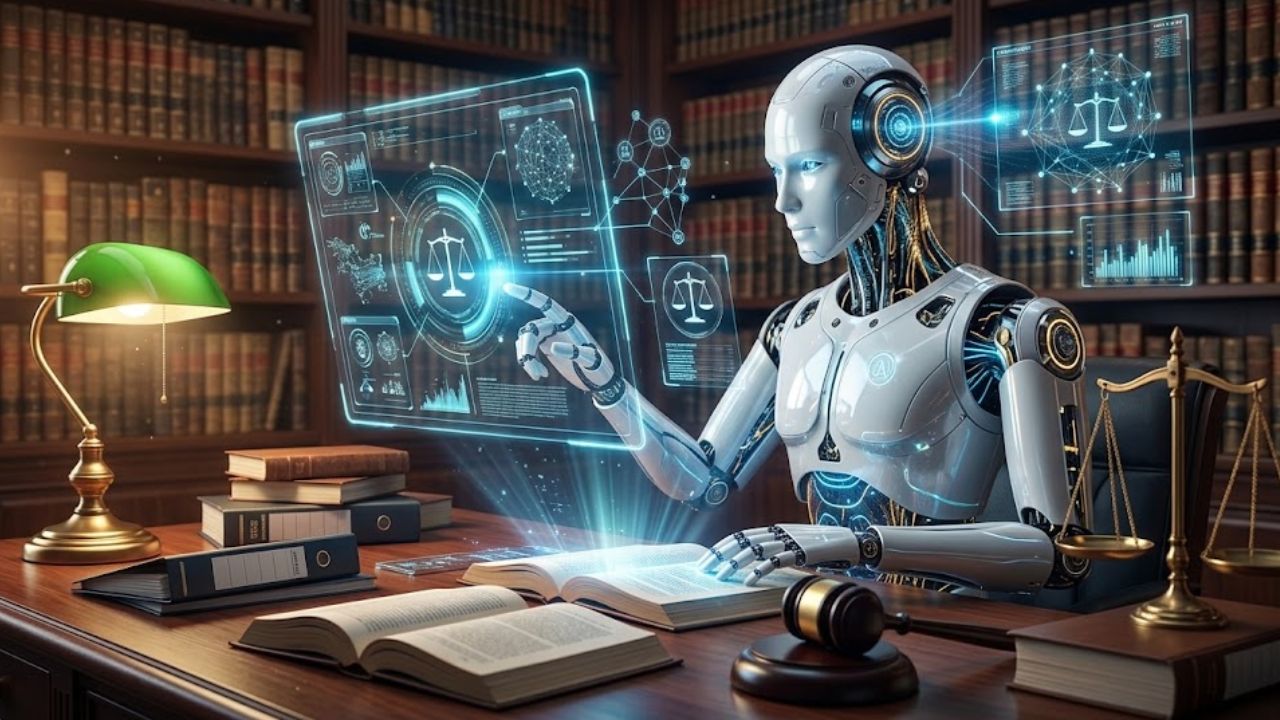
Artificial Intelligence (AI) is revolutionizing the way businesses interact with their customers, particularly in the realm of customer self-service. As companies strive to provide seamless and efficient support experiences, AI technologies are increasingly being employed to enhance customer service interactions. From chatbots that can accurately address customer queries to predictive analytics that anticipate customer needs, AI has become a pivotal tool in delivering exceptional self-service solutions. Understanding the role and impact of AI in customer self-service is essential for businesses looking to stay ahead in an ever-evolving digital landscape.
Understanding Customer Self-Service Solutions
Customer self-service solutions are revolutionizing the way businesses interact with their customers. By empowering users to find answers and resolve issues on their own, these platforms are not only improving customer satisfaction but also reducing support costs for companies. However, it’s crucial to understand that successful self-service solutions go beyond just providing a knowledge base or FAQ section. To truly meet customer needs, businesses must offer intuitive interfaces, personalized content recommendations, and easy escalation paths when necessary.
Benefits of AI for Customer Self-Service
The integration of AI in customer self-service solutions has revolutionized the way businesses interact with their customers. If you are wondering how, here are a few benefits listed below:
- Reduced Contact Center Volumes
- Cost Savings
- Enhanced Customer Service Delivery
- Data Management
- Time Savings
- Proactive Support
Efficiency and Cost-Effectiveness of AI Solutions
AI solutions have revolutionized customer self service, providing businesses with efficient and cost-effective ways to handle customer inquiries. By using AI-powered chatbots and virtual assistants like knowledgebase.com, companies can significantly reduce the need for human intervention in handling routine customer queries. This not only leads to increased efficiency but also lowers operational costs, as fewer resources are required to manage customer support.
Furthermore, AI’s ability to constantly learn from data and interactions enables it to improve its performance over time continuously. This adaptive nature not only enhances the overall effectiveness of customer self-service platforms but also generates long-term cost savings by mitigating the need for frequent system upgrades or expansions.
Personalization and Customization Through AI
In the realm of customer self-service solutions, AI has revolutionized the way personalization and customization are approached. With advanced machine learning algorithms and AI knowledge base features, AI can analyze vast amounts of data to understand individual preferences and behaviors. This allows for a more tailored and personalized customer experience, as AI can anticipate needs and offer relevant recommendations in real-time.
Moreover, AI-driven personalization goes beyond simply addressing a customer by their name; it extends to anticipating their needs before they even express them. By analyzing past interactions and purchase history, AI can predict preferences and suggest products or services that align with an individual’s unique tastes. This level of customization not only streamlines the customer journey but also fosters a deeper sense of connection between the consumer and the brand.
Overcoming Challenges and Limitations
As businesses try to incorporate AI into their customer self-service solutions, they often encounter various challenges and limitations. One of the key hurdles is ensuring that the AI system can accurately understand and respond to diverse customer queries, including those with different language or cultural references. This requires a level of natural language processing and contextual understanding, which can be a significant challenge for many existing AI platforms.
Another limitation is the potential for biases within AI systems, particularly in how they interpret and respond to customer inquiries. Addressing these biases requires solid testing and ongoing refinement to ensure that the AI accurately reflects diverse perspectives and experiences. It will allow businesses to create more inclusive and effective customer self service solutions powered by AI.
Finally
The future of AI in self-service is poised to revolutionize the way businesses interact with their customers. As AI technology continues to advance, we can expect more personalized and efficient self-service experiences for consumers. With the ability to analyze vast amounts of data and learn from user interactions, AI-powered self-service platforms have the potential to improve customer satisfaction and loyalty significantly. However, it will be crucial for businesses to prioritize ethical considerations and transparency in the use of AI to build trust with their customers. As we look ahead, organizations must invest in AI technologies and strategies that prioritize user empowerment and seamless self-service experiences.