
The gig economy has risen globally over recent years. More individuals are searching for and embracing freelance work. Consequently, the demand for secure and efficient payment solutions is higher now than ever. Freelancers need a payment method that caters to their unique needs. Bitcoin is a viable option due to its benefits. Here’s how Bitcoin empowers freelancers.
Global Payments
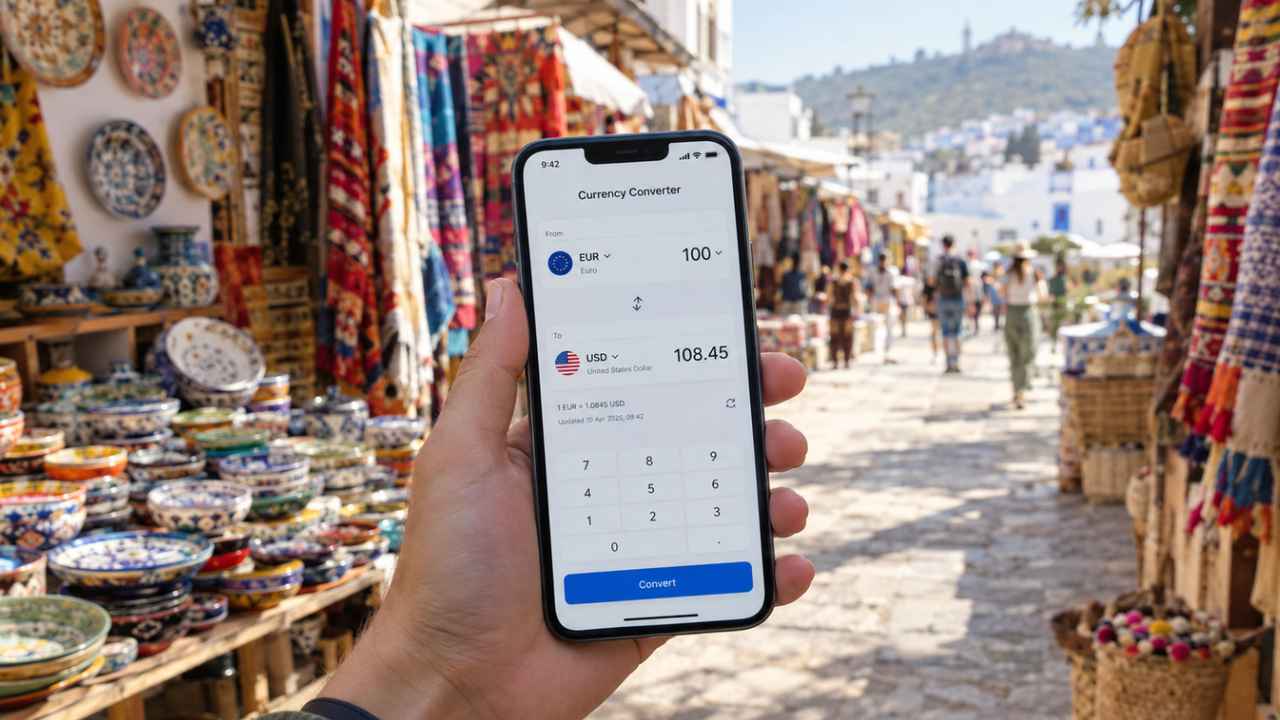
Freelancers want to work with people from various parts of the world. The gig economy has brought together people seeking employers and employees from different places, provided they can offer what they need. Bitcoin provides a global payment system. Gig workers and freelancers can receive payments for their services or products from different countries using Bitcoin. This cryptocurrency benefits freelancers because it doesn’t have conversion charges. Also, Bitcoin transactions are secure with faster processing.
Decentralization
Bitcoin runs on a decentralized network. That means no intermediary or central authority controls Bitcoin payments. Freelancers and their clients can transact without third parties. And this reduces delays and the risks of hacking and fraud.
Low Transaction Charges
Freelancers and their clients incur lower charges when transacting with Bitcoin. Most freelancers receive small payments, and conventional payment platforms charge higher fees. With Bitcoin, transaction costs are lower since there are no intermediaries. Low transaction charges mean clients will likely prefer gig workers and freelancers that accept Bitcoin. That’s because doing business with them is more affordable.
Quick Transactions
Miners can process Bitcoin transactions within minutes. That means gig workers can receive payments for their work faster when using this cryptocurrency. Traditional payments require days or weeks to complete a transaction. Therefore, Bitcoin enables gig workers to ensure cash flow, reduce financial stress, and become more productive.
Security
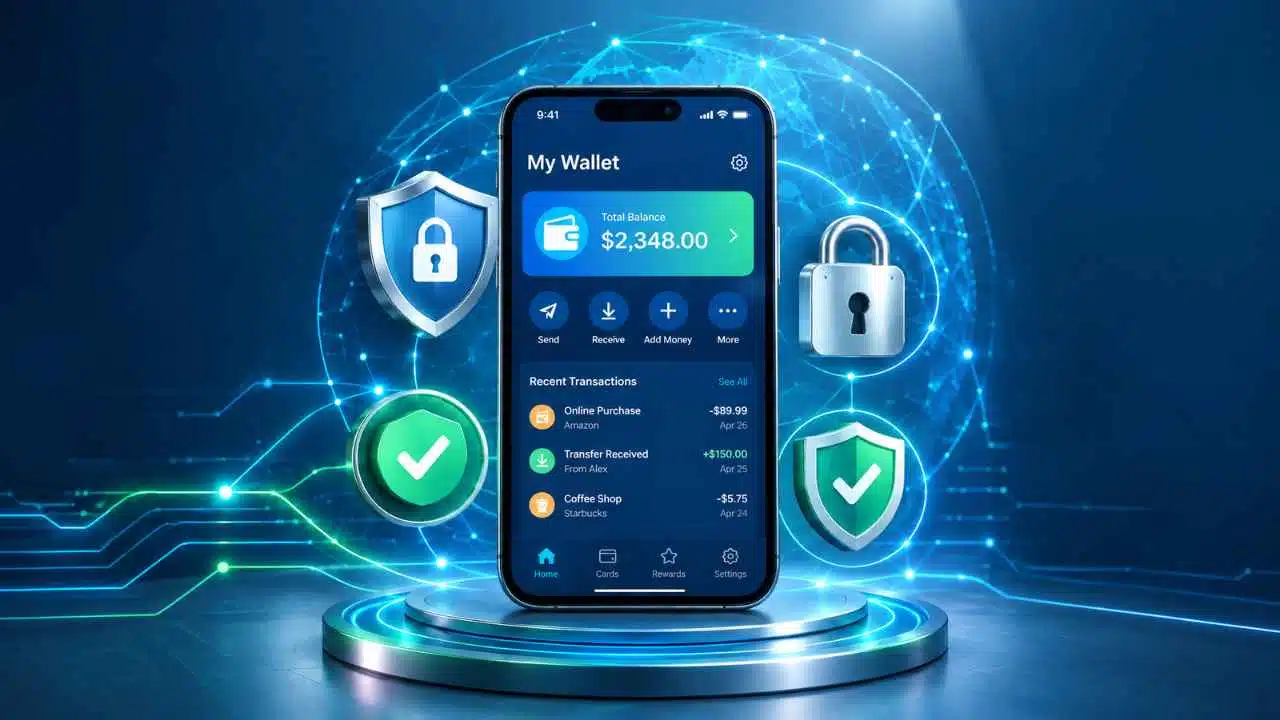
Unlike credit cards and other traditional payment methods, Bitcoin doesn’t require the user’s personal information. Bitcoin transactions are secure and anonymous since the user’s financial and personal information remains private. When transacting with a credit card, you may provide personal information that makes you vulnerable to theft or hacking. Using Bitcoin enables freelancers to avoid the risk of identity theft or fraud.
Protection Against Inflation
Market demand and supply dictate Bitcoin values. And these forces don’t operate with specific currencies. Consequently, inflation is lower since inflationary pressures and national currency changes may not directly affect Bitcoin values. Also, freelancers can avoid stock-specific risks by accepting Bitcoin. You can learn more about it here BitIQ. Bitcoin payment benefits freelancers in high-inflation areas or nations with unstable fiat currencies. That’s because Bitcoin can be an inflation hedge and a store of value.
Transparency
Bitcoin uses blockchain technology to record transaction details. This technology creates a ledger whose information is almost impossible to change and well-secured. The transparent and decentralized ledger creates a high transparency level. That’s because anybody can trace Bitcoin transactions and verify them, provided they are participants on the network. Bitcoin’s transparency is vital because it reduces corruption, fraud, and other financial misconduct. It enhances trust and accountability in Bitcoin transactions.
The Future of Bitcoin in the Gig Economy
With the continuous growth of the gig economy, Bitcoin adoption will likely increase. More freelance platforms accept Bitcoin payments, and more gig workers embrace cryptocurrency. These platforms empower freelancers by allowing them to control their finances. Additionally, Bitcoin’s decentralization makes it ideal for freelancers receiving payments from various places worldwide. Thus, Bitcoin could be a game-changer in the gig economy due to its many benefits to gig workers or freelancers. And as the gig economy grows, more freelancers will likely embrace this cryptocurrency as their payment method.