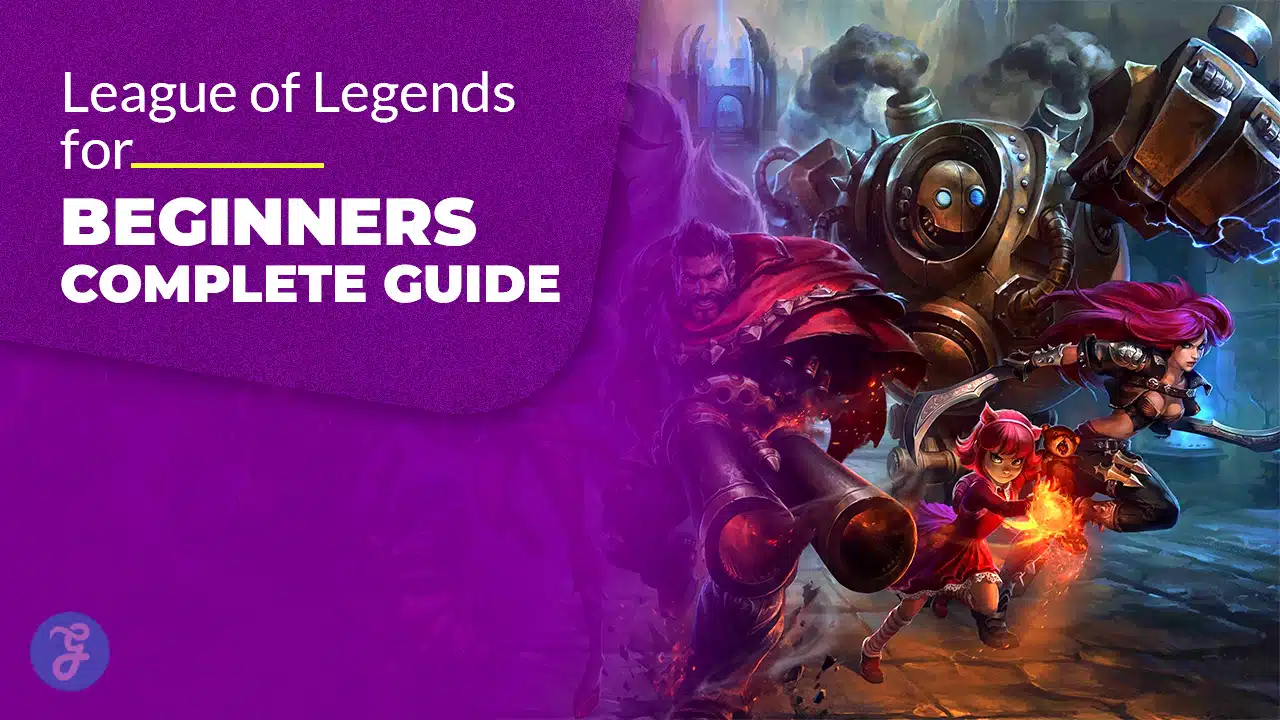
Starting League of Legends for Beginners can feel overwhelming because the game throws 160+ champions, five roles, dozens of items, and constant patch changes at you all at once. This guide makes it simple. You will learn what matters in your first matches, what to ignore for now, and how to build habits that help you improve quickly.
This 2026 update reflects the new season direction that arrived with the Demacia-themed Season 2026 changes (Patch 26.1) and the current live balance environment around Patch 26.2.
Current Patch And Season Snapshot
Riot’s official schedule lists Patch 26.03 for February 4, 2026 (PT), with 26.02 as the second patch of the year in their YYYY.PATCH format. Season-wise, Patch 26.1 launched a “brand new season” with major gameplay changes, including Role Quests, Faelights, a push toward turret play, and base crit damage shifting to 200%.
What League Of Legends Is And How A Match Is Won
League of Legends is a 5v5 strategy game where you win by destroying the enemy Nexus. To get there, you take down towers, manage minion waves, secure objectives, and win teamfights.
Every action feeds into two resources: gold and experience. Gold buys items, and experience levels up your champion, unlocking stronger abilities. If you fall behind in either, fights become harder, so your early goal is to stay steady and avoid giving away free kills.
A simple beginner win condition is this: take safe gold, group for the big objective fights, and hit towers when the enemy is forced to respond elsewhere.
Game Modes Beginners Should Start With
Pick your mode based on what you are learning.
- Co-op vs AI helps you learn movement, spells, last-hitting, and shopping without the pressure of real opponents. Use it to get comfortable with your first champion.
- Practice Tool is your fastest improvement mode. You can practice last-hitting, combos, ward placements, and jungle clears without anyone interrupting you.
- Normal games teach real pacing. When you feel comfortable moving, buying items, and using abilities, start playing normals so you learn real matchups and rotations.
- ARAM is great for learning teamfights and reading enemy abilities, but it does not teach lane fundamentals. Treat it like “combat training,” not your main learning path.
The Map At A Glance: Lanes, Jungle, And Objectives
Summoner’s Rift has three lanes and a jungle.
- Top lane is the long solo lane. It often becomes a 1v1 test of farming, spacing, and knowing when to fight.
- Mid lane is the shortest lane and the fastest to influence the map. Mid laners can roam to top or bot and help their jungler.
- Bot lane is a duo lane with an ADC and a support. Bot lane matters a lot because dragons live near it and ADCs scale into late-game damage threats.
- The Jungle sits between lanes with camps that give gold and experience. Junglers create pressure by ganking lanes and controlling objectives.
Key objectives:
-
Dragons give stacking team buffs and often decide mid-game fights.
-
Rift Herald helps break towers and open the map.
-
Baron Nashor buffs minions so your team can siege and end games.
If you feel lost in your first matches, anchor yourself to one idea: push your wave safely, then move toward the next objective your team can realistically take.
Roles Explained: What Each Player Does
You do not need to master all five roles to start, but you should understand what each role tries to accomplish.
| Role | Where You Play | Your Main Job | Beginner-Friendly Focus |
|---|---|---|---|
| Top | Top lane | Side lane pressure, frontline, scaling | Farm safely, avoid risky fights |
| Jungle | Jungle | Ganks, vision control, objectives | Clear camps on time, gank simple lanes |
| Mid | Mid lane | Wave control, roams, picks | Clear wave, show up first to fights |
| ADC | Bot lane | Consistent damage in fights | Stay alive, hit the closest safe target |
| Support | Bot lane | Vision, engage, or peel | Protect ADC, ward, start good fights |
If you want the smoothest start, pick one role and play it for at least 20 games. Familiarity beats variety early.
Your First 10 Minutes: Farming, Trading, And Wave Basics
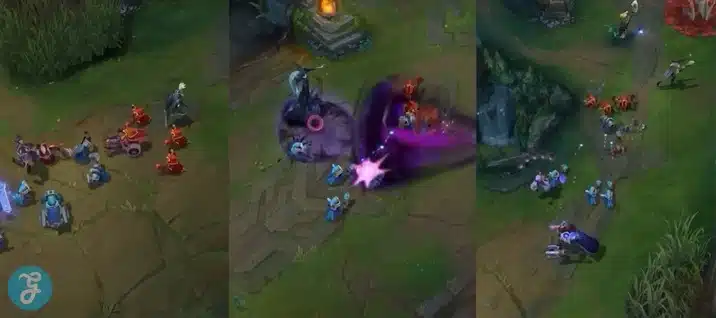
Early game is mostly about three skills: last-hitting, trading, and wave management.
Last-hitting means landing the final hit on minions to earn gold. New players often fight too much and forget gold. If you simply last-hit well, you will be stronger than most beginners without doing anything fancy.
Trading means dealing damage without taking more damage back. A good trade is short and controlled. Step in, cast one or two abilities or autos, then step out.
Wave basics matter because waves decide when you can recall safely. If you recall a bad time, you lose minions and fall behind. A beginner rule that works: push your wave into the enemy tower before you recall, so your minions die to the tower while you shop.
Vision And Wards: Seeing The Map Like A Veteran
Vision wins games because it removes surprises. Start with simple habits.
Use your trinket ward whenever it is available. Place it in the river brush near your lane or in the jungle entrance where enemies might gank from.
Buy Control Wards when you can. Put them in a safe brush near an objective, not in a random spot you cannot defend.
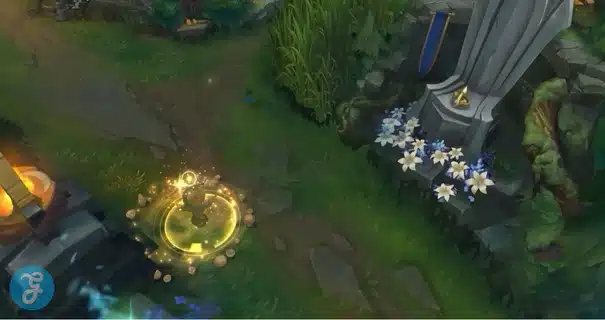
Season 2026 adds a vision mechanic called Faelights, which appear as rings on the map. When you place a ward on a Faelight, it temporarily reveals a large area. That makes smart ward timing even more valuable for objective fights and rotations.
If you want one habit that instantly improves you, it is this: glance at the minimap every few seconds. You do not need perfect mechanics if you stop dying to obvious ganks.
Around mid-game, remember the core theme of League of Legends for Beginners improvement: fewer deaths equals more gold, more levels, and more chances to learn.
Items, Gold, And Power Spikes
Items make champions feel completely different, so learn the basics of buying without overthinking builds.
Start by using the in-game recommended items. They are good enough for beginners and help you avoid decision overload.
Understand components. Most big items are built from small pieces. If you cannot afford your full item, buy the best component you can.
Do not hoard gold. If you have enough for a meaningful buy, recall when your wave allows it. A clean recall with a strong component often matters more than forcing one risky fight.
Season 2026 also includes changes that influence how items and scaling feel. Riot shifted base crit damage to 200%, and Mobalytics notes broader crit and scaling adjustments for many ADCs in the season shift.
Season 2026 Changes Beginners Should Know
Even if you are brand new, these changes matter because they change pacing and objectives.
The season theme is Demacia, including a Demacia-styled Summoner’s Rift presentation in Patch 26.1.
Role Quests now exist and reward you for playing your role well. Patch 26.1 calls out “brand-new Role Quests for each role,” and Mobalytics breaks them down into role-specific point goals and rewards.
Feats of Strength is removed, which means the early boot bonus quest is gone. Mobalytics notes boot bonuses shifting and that boots changes are tied to mid lane instead of the removed quest.
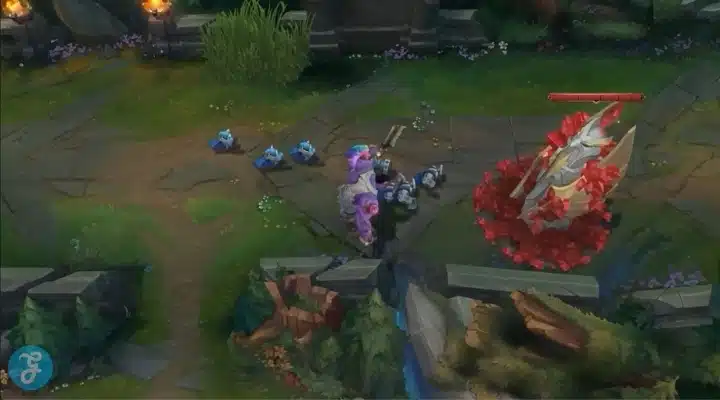
First Blood and First Tower bonuses are larger in this season snapshot. Mobalytics notes that First Blood grants an extra 100 gold, and First Tower gives a 300 gold bonus. That increases snowball potential, so avoid early deaths and protect your first tower.
Turrets and pacing are different. Patch 26.1 highlights a push toward turret play with new systems, and Mobalytics describes turret adjustments, including shifting resistances and changes to plating behavior across the game.
Homeguards are stronger for returns and rotations. Mobalytics explains Homeguards lasting longer into the map, which means enemies can come back to the lane faster and punish overextended plays.
If you only take one lesson from the season changes, take this: fights that used to be “safe” after a kill are less safe now, because enemies can return faster, and snowball gold incentives are higher.
Beginner Champion Picks By Role (2026 Meta-Friendly)
You do not need to start with the hardest champions to climb. Pick champions with simple game plans.
Top Lane Starters
Kayle is a strong learning champion if you enjoy scaling. You learn patience, farming, and positioning, and your ultimate can save teammates or flip fights.
Ornn is a great tank starter if you want teamfight value and clear engage patterns. You focus on farming and showing up to fights with your ultimate.
Varus and Riven can be strong in the right hands, but they ask more from your spacing and mechanics. If you are new, start with Kayle or Ornn, then branch out.
Jungle Starters
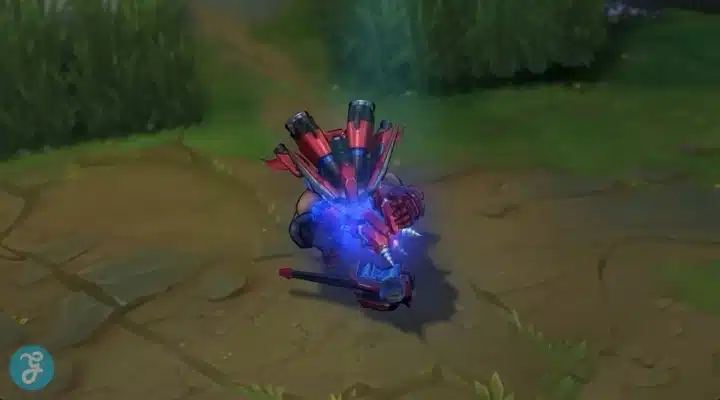
Volibear has a straightforward kit for learning ganks and objectives. You run at people, apply crowd control, and stay healthy enough to keep fighting.
Diana teaches you farming efficiently and choose the right engagement timing. You clear fast and look for grouped fights.
Ekko and Kha’Zix are powerful, but they punish mistakes harder. If you like assassin junglers, try them after you learn basic jungle pathing.
Mid Lane Starters
Ahri is one of the best learning mids because she clears waves, roams, and has a clear pick tool with Charm. She also has the mobility to fix issues and positioning mistakes.
Kassadin is a good scaling option if you are willing to play it safe early. He teaches timing and power spikes.
Zed and Yasuo are high-impact, but they demand matchup knowledge and mechanics. They are fun, but not the fastest learning path.
ADC Starters
Caitlyn is excellent for beginners because her range keeps you safer while you learn spacing and last-hitting under pressure.
Jinx is great if you love late-game teamfights. She rewards you for staying alive and playing front-to-back.
Twitch and Nilah can take over games, but they rely more on setup, positioning, and support synergy. Start with Caitlyn or Jinx first.
Support Starters
Braum teaches the most important support skill: protecting your carry. His kit makes it obvious when you should block damage and peel.
Nami teaches trading, lane control, and how to empower allies with buffs and healing.
Thresh is incredible, but his hook and lantern decision-making take time. Sona is strong, but she demands careful positioning because she is fragile.
Runes And Summoner Spells: Keep It Simple
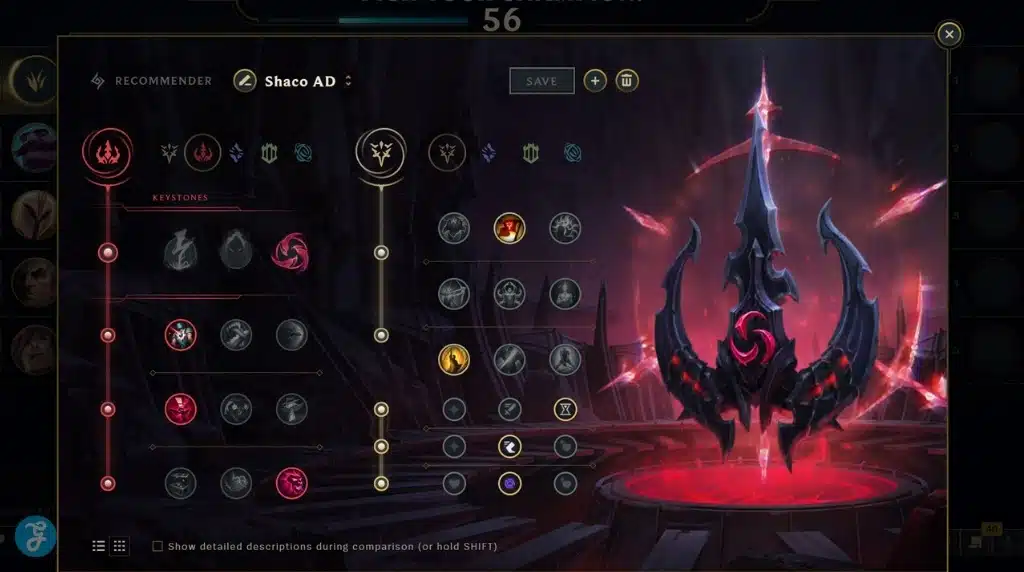
As a beginner, you do not need perfect rune pages. Use recommended runes and focus on clean gameplay.
Summoner spell basics:
-
Flash is almost always required because it saves you from bad fights.
-
Top usually takes Teleport or Ignite depending on champion and matchup.
-
Mid often takes Ignite for kill pressure or Teleport for map play.
-
ADC usually takes Heal or Barrier.
-
Support often takes Ignite for pressure or Exhaust for protection.
-
Jungle always takes Smite.
If you are unsure, pick what the game recommends and spend your attention on farming and minimap awareness.
A Simple Learning Plan For Your First 30 Games
This is the fastest way to improve without burning out.
Games 1 to 5
Play Co-op vs AI or normals with one champion. Learn your abilities, learn what your first item does, and learn when your champion feels strong.
Games 6 to 15
Focus on last-hitting and dying less. Track how many deaths you have at 10 minutes. Try to keep it at zero or one.
Games 16 to 30
Start learning objectives. Ping dragon spawn, move when your wave is pushed, and practice placing wards before fights.
If you do this, you will feel real improvement faster than someone who constantly switches roles and champions.
Common Beginner Mistakes And How To Fix Them
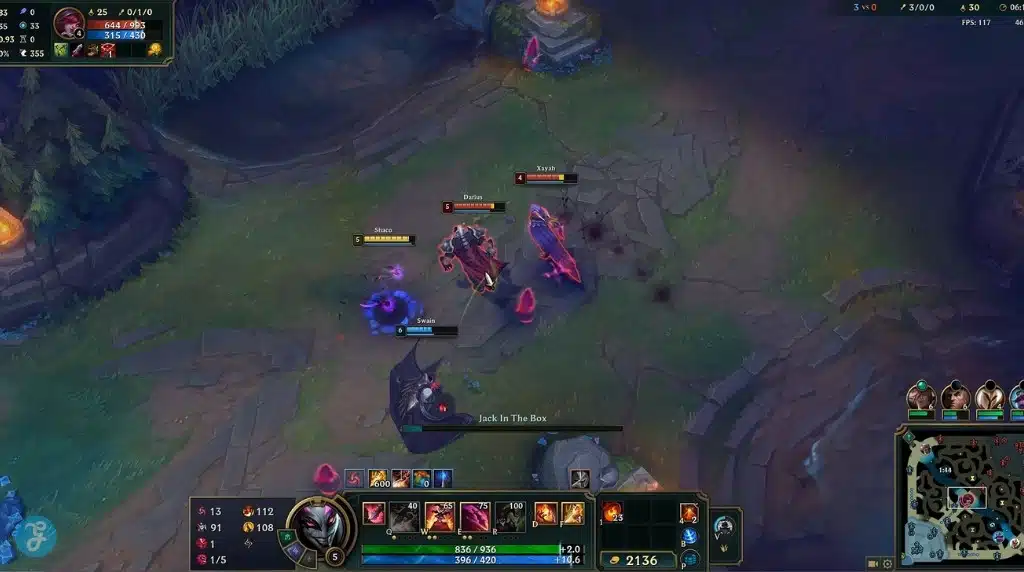
Chasing kills too far
Kills feel good, but towers and objectives win games. If you chase into fog, you often give your shutdown back.
Fighting when you are down levels
A one-level gap can decide early fights. Check levels before you commit.
Recalling the bad times
If you recall, while a big wave crashes into your tower, you lose gold and fall behind. Push first, then recall.
Not using wards
If you get ganked twice from the same path, you did not have a ward in the right place. Treat wards like safety, not like decoration.
Not knowing your job in teamfights
If you are ADC, you hit the closest safe target. If you are support, you protect the carry or start the fight. If you are jungle, you control the objective zone and look for a pick.
Quick Checklist Before You Queue
-
Pick one role and one champion
-
Turn on Quick Cast if it feels comfortable
-
Use recommended items and runes
-
Ward the river before you push
-
Watch the minimap every few seconds
-
Play for objectives after you win a fight
Wrap-Up
The best way to improve at League of Legends for Beginners is to reduce chaos. Play one role, repeat one champion, and judge your progress by farming better and dying less, not by getting flashy kills.
Patch cycles will keep shifting the meta, and Riot’s schedule. Your fundamentals will outlast any buff or nerf, especially with the bigger Season 2026 systems like Role Quests and Faelights shaping how games flow.