Do you ever catch yourself wondering if your job will look the same in five years? You are definitely not the only one feeling that uncertainty. With technology moving faster than we can change our smartphone wallpapers, it is easy to feel like you might get left behind.
But here is a piece of good news to kick things off: A 2025 report from the World Economic Forum found that while machines might displace 92 million jobs by 2030, they will likely create 170 million new ones. That is a net gain of 78 million opportunities for people ready to grab them.
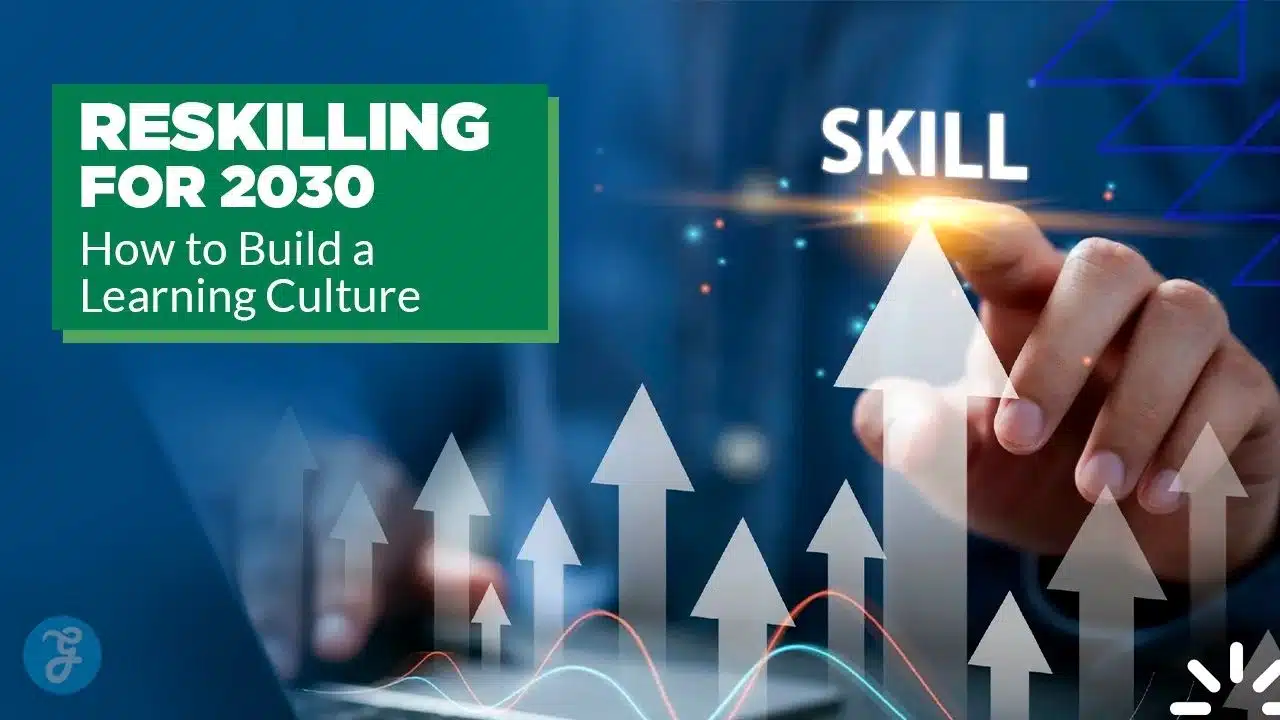
So, how do you make sure you are one of the people grabbing those opportunities? That is exactly what we are going to chat about. I have pulled together the latest strategies, real-life examples, and a few “insider” secrets to help you navigate Reskilling For 2030.
What Is Reskilling?
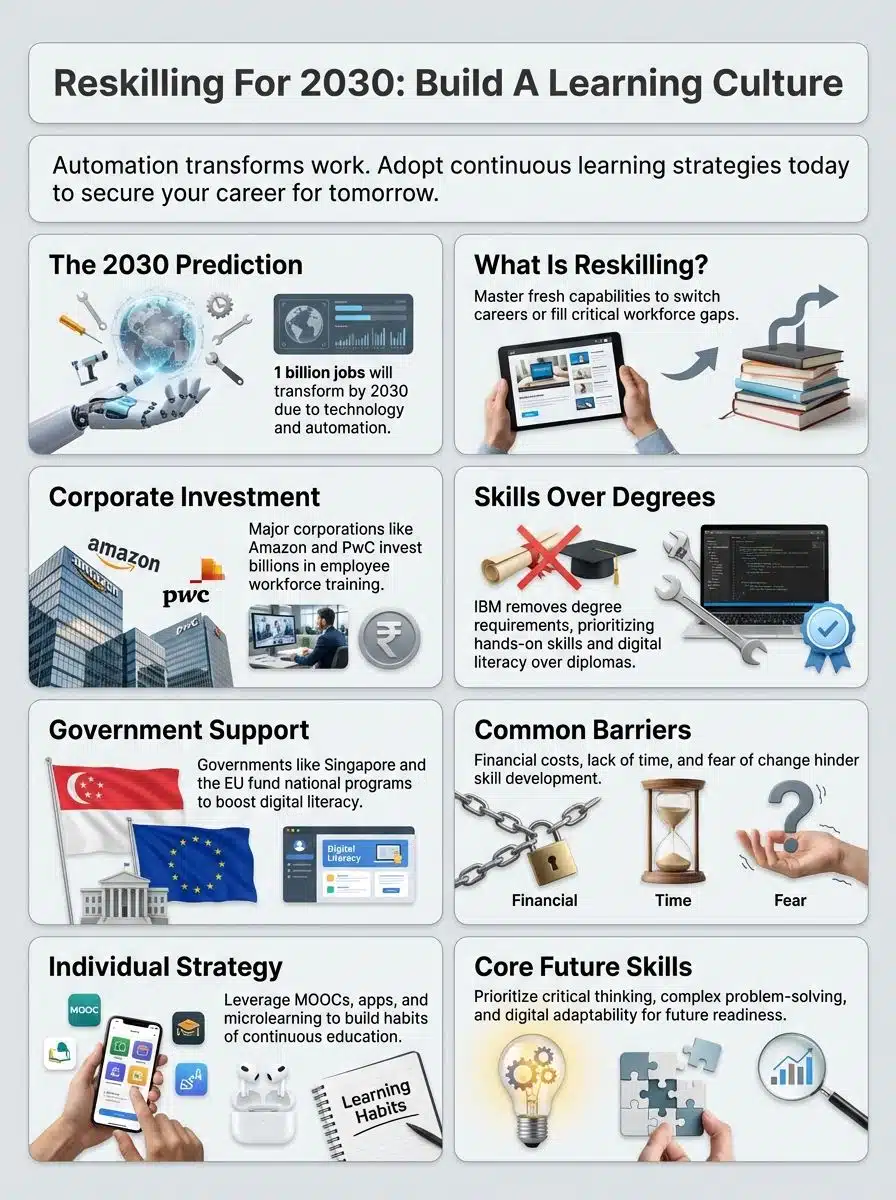
Reskilling is simply the process of learning new skills so you can do a different job. Think of it as a career update. Unlike upskilling, which teaches you to do your current job better, reskilling prepares you for a completely new role.
For instance, a warehouse worker might learn how to manage inventory software. Suddenly, they are not just moving boxes; they are analyzing data.
This shift is critical right now. A 2025 study referenced by ZipDo reveals that reskilling an existing employee is 70% to 92% cheaper than hiring a new one. That massive cost difference is why companies are rushing to build internal academies rather than just posting job ads.
Businesses now view this as a survival strategy. It is not just about being nice to employees; it is about keeping the lights on. Workers who master digital tools today become the leaders of tomorrow.
“Learning is not attained by chance; it must be sought for with ardor and attended to with diligence.”
The Importance of Reskilling for 2030
The job market is not just changing; it is transforming at a speed we have never seen before. To stay relevant, we need to understand exactly what is driving these shifts.
Evolving job market demands
Workforce needs are shifting rapidly. By 2030, the World Economic Forum predicts that 39% of core skills will change for workers who stay in their current roles. That means even if you keep your job title, the work you do every day will look very different.
We are seeing this happen in real-time. Cashiers are becoming self-checkout supervisors. Truck drivers are learning to manage logistics for autonomous fleets. Digital literacy is now a baseline requirement, much like reading and writing.
Employers are desperate for staff who can adapt. They want problem solvers who do not panic when software updates change their workflow. The ability to learn is now more valuable than knowing a specific set of facts.
The role of technology and AI in reshaping skills
Technology is the main engine behind this change. Artificial Intelligence (AI) and automation are taking over routine tasks like data entry and schedule management. This shifts the value to human skills that computers struggle with, such as complex problem-solving and emotional intelligence.
According to a 2025 report by Goldman Sachs, workers in AI-exposed industries are seeing wages rise 56% faster than their peers. This data point proves that embracing these tools pays off directly in your paycheck.
Companies like Visa are already proving this works. They recently rolled out an AI-powered coaching tool for their sales teams. The result? Sellers saw a 78% boost in confidence because they could practice pitches in a safe, private environment.
An IBM leader summed it up perfectly at a recent event: “AI is not a job stealer, it’s a skill shifter.” The goal is not to compete with machines but to learn how to drive them.
Reskilling in Action: Real-World Examples
Sometimes the best way to learn is to look at who is doing it right. Huge companies and entire nations are investing billions to make sure their people are ready. Here is what that looks like on the ground.

Amazon: Investing Billions in Potential
Amazon is serious about internal growth. They have committed over $1.2 billion to their Upskilling 2025 pledge. The goal is to train 300,000 employees for higher-paying technical roles.
One of their standout programs is the Mechatronics and Robotics Apprenticeship. This program takes associates who pack boxes and trains them to become the engineers who fix the robots. Participants often see their wages jump significantly after graduation.
They also offer the Amazon Technical Academy. This program teaches non-technical employees the essential skills to become software engineers in just nine months. It is a direct path from the warehouse floor to the corporate office.
Walmart: Building Pipelines from the Frontlines
Walmart has launched extensive “pipeline programs” specifically designed to fix talent shortages. They identified a lack of truck drivers and pharmacy technicians, so they built a school inside the company.
Store associates can now apply to these programs to get certified. Walmart pays for the training. This solves their hiring problem and gives employees a clear path to a better salary. It is a classic win-win situation.
IBM: Skills Over Degrees
IBM changed the game by removing college degree requirements from half of its U.S. job openings. They realized that a four-year degree does not always predict success in tech.
They focus on “New Collar” jobs. These roles prioritize skills you can learn in bootcamps or through certifications. Their SkillsBuild platform offers free learning to anyone, helping people build a portfolio that proves they can do the work.
This approach opens doors for talented people who might not have been able to afford a university. It proves that what you can do matters more than where you went to school.
Singapore: A National Commitment
Singapore treats reskilling as a national priority. Their SkillsFuture initiative gives every citizen credits to pay for training courses. But they recently updated the rules to ensure quality.
Starting December 31, 2025, courses will need to show that at least 40% of participants are sponsored by employers to keep their funding. This smart move ensures that the training people take is actually valuable to businesses. It stops “diploma mills” and focuses on real employment outcomes.
The Benefits of Reskilling
Why should you or your company care about this? The benefits go far beyond just “keeping up.”
For Employees: Job Security and Higher Pay
Workers who learn new skills stay employed longer. They are the ones who get promoted when a department restructures. Plus, data from PwC shows that employees with specialized digital skills can earn premium wages compared to their non-digital peers.
For Employers: Retention and Profit
Hiring is expensive and risky. Reskilling is stable. A 2025 LinkedIn Learning report highlights that companies with strong internal mobility programs retain employees nearly twice as long. When people see a future at your company, they stay.
ZipDo data backs this up with hard numbers: companies that actively invest in employee upskilling see 21% higher profitability. Trained teams work faster, make fewer mistakes, and innovate more often.
Challenges and Barriers to Reskilling
It is not always easy to start learning. We need to be honest about the hurdles so we can jump over them.
- Time Constraints: This is the number one barrier. The LinkedIn Workplace Learning Report 2025 notes that “lack of time” is the top reason employees skip training. You cannot learn if you are drowning in daily tasks.
- Financial Costs: Good courses cost money. While large corporations have budgets, small businesses often struggle to fund expensive workshops.
- Fear of Change: Many people worry they are “too old” to learn new tech. This psychological barrier is real and can stop progress before it starts.
- Lack of Guidance: With thousands of courses available, paralysis by analysis is common. People do not know which specific skill will actually get them hired.
Managers need to clear these paths. This might mean allocating “learning hours” during the work week or curating a specific list of recommended courses.
How to Start a Reskilling Initiative
Whether you are an individual looking to pivot or a manager trying to save your team, you need a plan. Here is how to break it down.
For Individuals
Start by identifying the “adjacent skills” to your current role. If you are a writer, look into Prompt Engineering to learn how to use AI tools like ChatGPT effectively. If you are in finance, look at data visualization tools like Tableau.
Use free resources first. Google Career Certificates offer low-cost training in data analytics and IT support. You do not need a degree to start these. Completing one proves to your boss that you are serious about growth.
Join communities. Reddit groups like r/careerguidance often have specific advice on which certifications are actually respected in your industry. Real user reviews can save you from wasting money on bad courses.
For Employers
Create a “Skills Inventory.” You cannot fix what you do not measure. Use software to track the skills your team currently has versus what you need for 2030.
Implement “Internal Mobility” programs. Let employees “shadow” other departments for a day. Walmart’s success with this model proves that your best future engineer might be driving a forklift right now.
Offer “Learning Stipends.” Even a small budget of $500 per year per employee can boost morale. It gives them the freedom to choose a course that excites them, which increases completion rates.
Tools and Resources for Reskilling
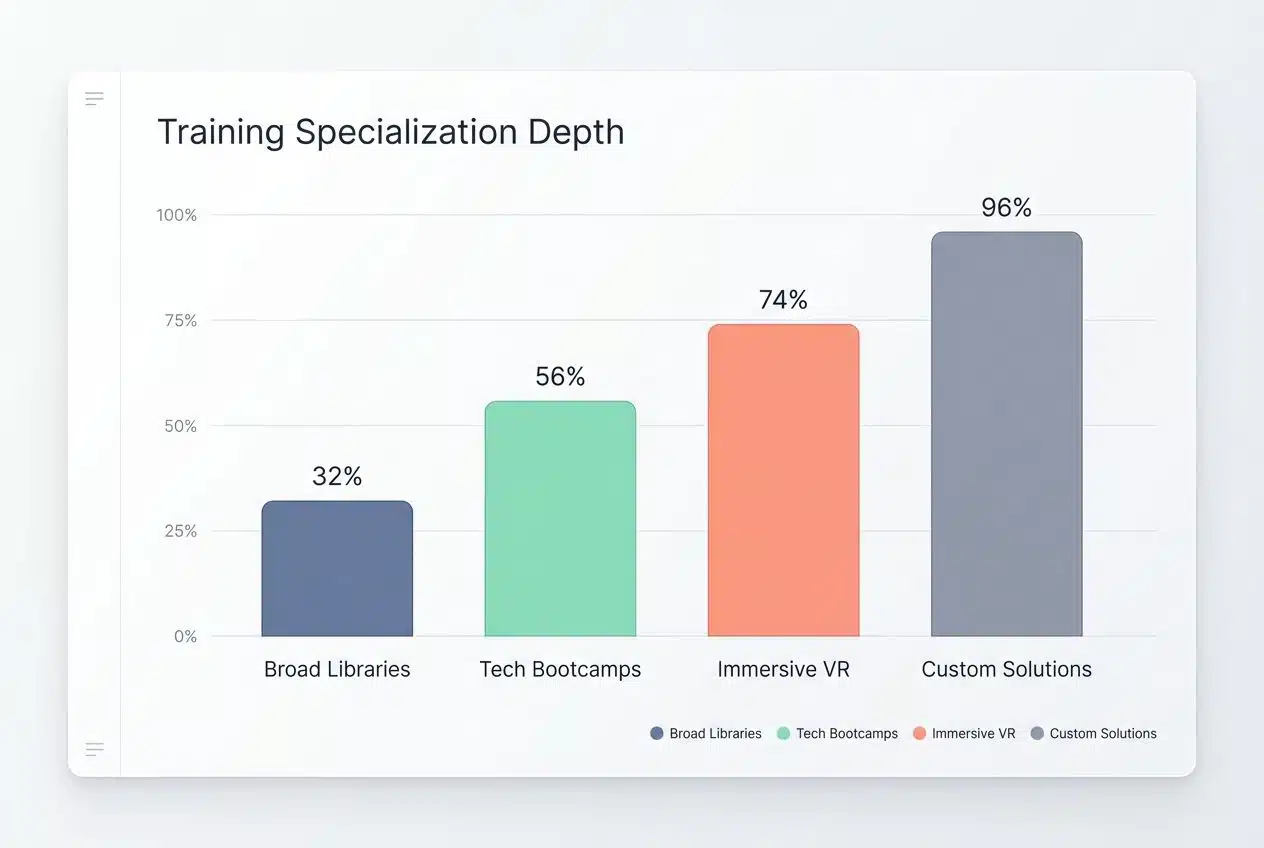
You need the right equipment to build a new career. Here is a breakdown of the top tools for 2026, comparing their best uses.
| Platform Type | Top Examples | Best Use Case |
|---|---|---|
| Broad Learning Libraries | Coursera, Udemy Business, LinkedIn Learning | Great for general skills like “Intro to Python” or “Business Communication.” Affordable and vast. |
| Tech-Specific Bootcamps | Pluralsight, Codecademy, Udacity | Ideal for deep technical dives. Use these if you need your team to learn specific coding languages or cloud architecture. |
| Immersive Training (VR) | Strivr, Talespin | Perfect for safety training or soft skills. Walmart uses Strivr to train staff on handling holiday rushes without the real-world chaos. |
| Custom Corporate Solutions | SweetRush, GP Strategies | Best for large enterprises that need a bespoke “academy” built from scratch to match their specific company culture. |
Don’t forget mobile apps for micro-learning. Duolingo is great for languages, but apps like SoloLearn allow you to practice coding on your commute. Small habits add up to big skills.
Reskilling and the Future of Work
The future belongs to the adaptable. We are moving toward a “skills-first” economy. This means hiring managers care less about your university pedigree and more about your verified abilities.
How to develop a reskilling culture
Leaders need to talk about their own learning. When a CEO admits, “I am taking a course on AI ethics right now,” it gives permission for everyone else to be a learner too.
Celebrate “failures” that come from learning. If someone tries a new tool and it doesn’t work perfectly, praise the effort. IBM fosters this by issuing digital badges for skills. These badges live on employee profiles and show off their achievements to the whole company.
Make learning social. Create a Slack channel called #learning-wins where people share cool things they found. It turns education from a solitary chore into a team sport.
Core Skills Needed for 2030
What exactly should you be learning? The World Economic Forum and McKinsey have identified specific areas that will be high-demand goldmines.
Critical thinking and problem-solving
Machines are great at answering questions, but humans are better at asking them. Critical thinking is about looking at AI-generated data and asking, “Is this actually true?” or “Does this make sense for our customers?”
Problem-solving is about handling the unexpected. When the system crashes or the supply chain breaks, you need a human to step in. Amazon trains its staff to look for “root causes” rather than just quick fixes.
Digital literacy and adaptability
This goes beyond knowing how to use Excel. You need AI Fluency. This means understanding how Large Language Models work and how to prompt them to get the best results. It is the new typing.
Adaptability is your emotional armor. It is the ability to say, “Okay, the plan changed. Let’s pivot.” A 2025 McKinsey report highlighted that adaptability is one of the top three missing skills in the global workforce. If you have it, you are hired.
Building a Learning Culture Today
A true learning culture is one where growth feels natural, not forced. It is about curiosity.
Encouraging continuous learning
Start small. Dedicate the first 15 minutes of a team meeting to “What I Learned This Week.” It costs nothing but shifts the mindset immediately.
Use “Gig Marketplaces” internally. Tools like Gloat allow employees to pick up short-term projects in other departments. It helps them learn new skills by doing, and it helps managers get extra hands on deck.
Leveraging EdTech for reskilling programs
Use data to drive decisions. Modern Learning Management Systems (LMS) like Cornerstone OnDemand or Workday Skills Cloud can use AI to suggest courses to employees based on their career goals.
Gamify the process. Leaderboards for course completions can spark friendly competition. Just make sure the rewards are real, like a bonus, a day off, or public recognition.
Final Thoughts
Reskilling for 2030 might feel like a giant mountain to climb, but you only need to take one step at a time. Whether you are learning to code, mastering a new AI tool, or just getting better at managing your time, every new skill is a deposit in your future success bank.
The job market will keep changing. That is the one thing we can guarantee. But by building a habit of learning now, you are ensuring that you will always be ready for whatever comes next.
Why not start today? Pick one small topic, find a YouTube video or a free article, and dive in. As a mentor once told me, “The best time to plant a tree was 20 years ago. The second best time is now.”