Social media has become a pervasive force… it significantly impacts our self-perception and body image. This phenomenon is particularly pronounced among young adults and teenagers, who are increasingly turning to social media as a barometer of their physical appearance and social worth. The constant exposure to curated images and lifestyles can distort reality, leading to an increased dissatisfaction with one’s own body and a pursuit of unrealistic beauty standards. This article delves into the psychological impacts of social media on body image and discusses ways to navigate this complex landscape.
The Power of ‘Likes’
Social media platforms are built around the concept of immediate feedback, with ‘likes’, comments, and shares serving as quantifiable indicators of approval and popularity. While these features were originally designed to foster engagement and connectivity, they have inadvertently become a source of validation and self-esteem for many users. The number of ‘likes’ on a post can significantly influence how individuals perceive their own attractiveness and worth, leading to a constant pursuit of approval through the perfect image.
The Comparison Trap
One of the most insidious aspects of social media is the ease with which it allows users to compare themselves to others. Platforms are rife with images of idealized bodies, lifestyles, and faces, often enhanced by filters or editing software. This constant exposure creates a benchmark against which individuals measure themselves, often leading to feelings of inadequacy, low self-esteem, and body dissatisfaction. The comparison is no longer with peers in real life but with a polished, often unrealistic portrayal of others.
The Rise of ‘Cosmetic Surgery’ Trends
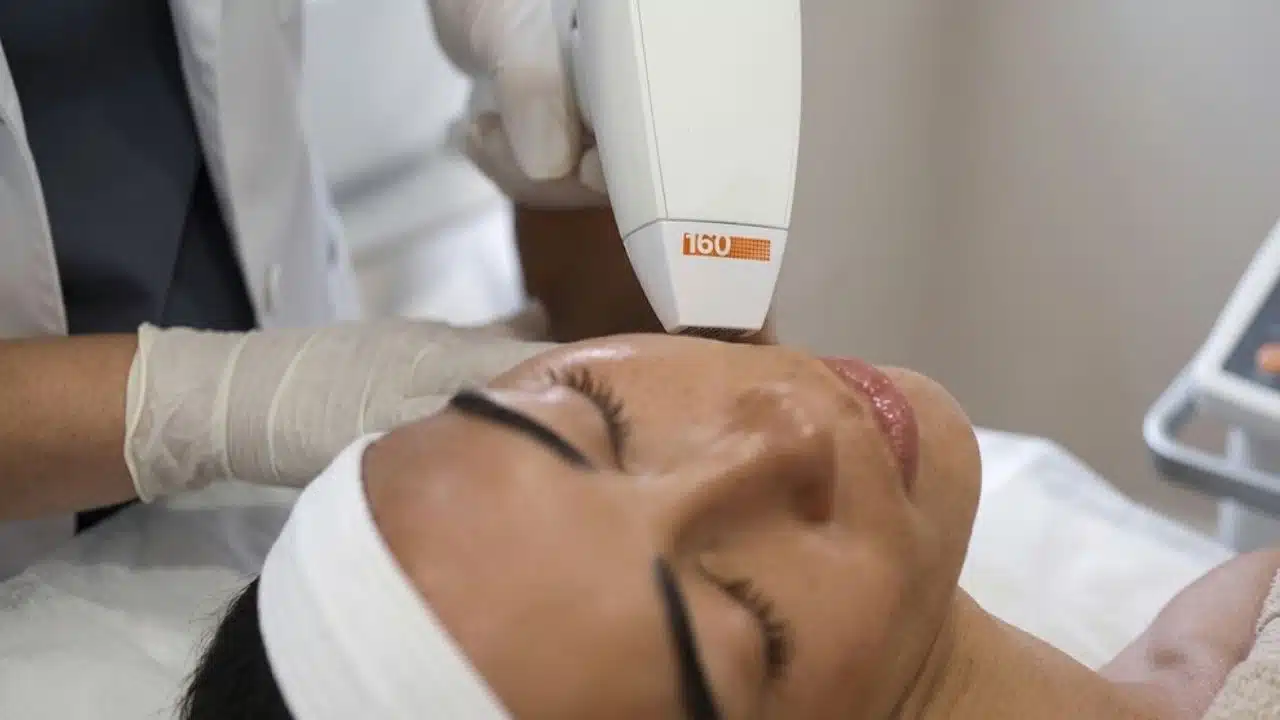
The influence of social media has extended beyond digital spaces into real-life decisions, particularly in the realm of cosmetic surgery. There’s a growing trend where users, influenced by social media, seek cosmetic procedures to attain a look that resembles their filtered selfies. Procedures like rhinoplasty, lip fillers, and even breast lift surgery have seen increased demand. Breast lift surgery, for instance, is sought by women who desire to restore the shape and lift of their breasts, often influenced by the youthful and idealized body images prevalent on social media platforms.
The Psychological Impact
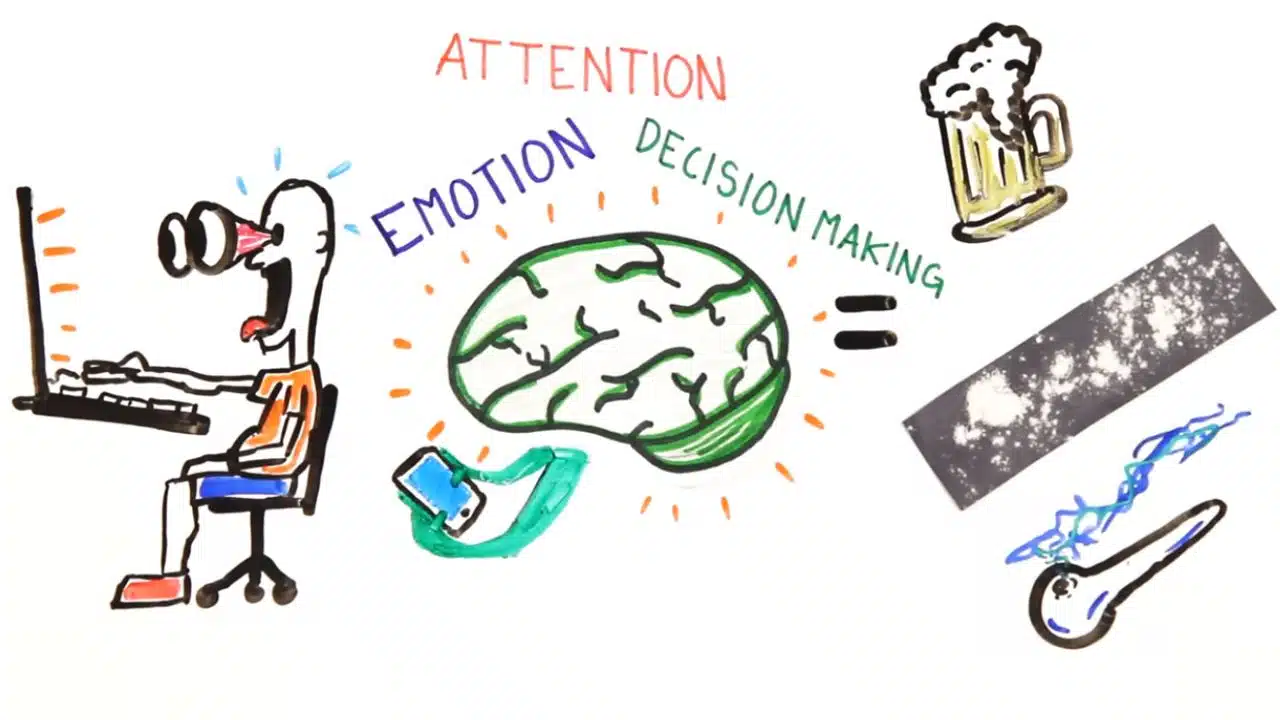
The incessant need for social media validation and the consequent body dissatisfaction can lead to a range of psychological issues. It’s not uncommon for constant social media users to experience anxiety, depression, and feelings of inadequacy. In severe cases, this obsession with self-image can lead to eating disorders and body dysmorphic disorders, as individuals become fixated on perceived flaws in their appearance.
Navigating Social Media Healthily
While it’s unrealistic to expect young individuals to disconnect entirely from social media, there are healthier ways to engage with these platforms:
- Critical Engagement: Encourage critical thinking about the content consumed on social media. Understanding that images are often curated and altered can help mitigate the impact they have on self-perception.
- Diverse Follows: Follow accounts that promote body positivity and diversity. Exposure to a variety of body types and beauty standards can counteract the negative effects of idealized images.
- Social Media Literacy: Educating young adults and teenagers about the intentions behind social media designs and how they influence behavior and self-perception is crucial.
- Real-Life Interactions: Promote real-life interactions and hobbies that do not revolve around social media. Engaging in activities that boost self-esteem and skills can provide a healthy balance.
- Professional Help: In cases where social media significantly impacts mental health, seeking help from mental health professionals is important. Therapists can provide strategies to cope with social media-induced anxieties and body image issues.
The Role of Parents and Educators
Parents and educators play a crucial role in guiding young individuals through the complexities of social media. Open conversations about body image, the impact of social media, and the importance of self-acceptance can foster resilience in young minds. Additionally, setting an example by displaying a healthy relationship with one’s own body and social media usage can have a profound impact.
The influence of social media on body image and self-perception is a multifaceted issue that requires a collective effort to address. While platforms like Instagram, Facebook, and Snapchat continue to be an integral part of social interaction, understanding their psychological impact is crucial. By promoting healthy engagement with social media, embracing diverse beauty standards, and providing support to those struggling with body image issues, we can mitigate the adverse effects of these digital platforms. Remember, the value of an individual extends far beyond the number of ‘likes’ on a screen.