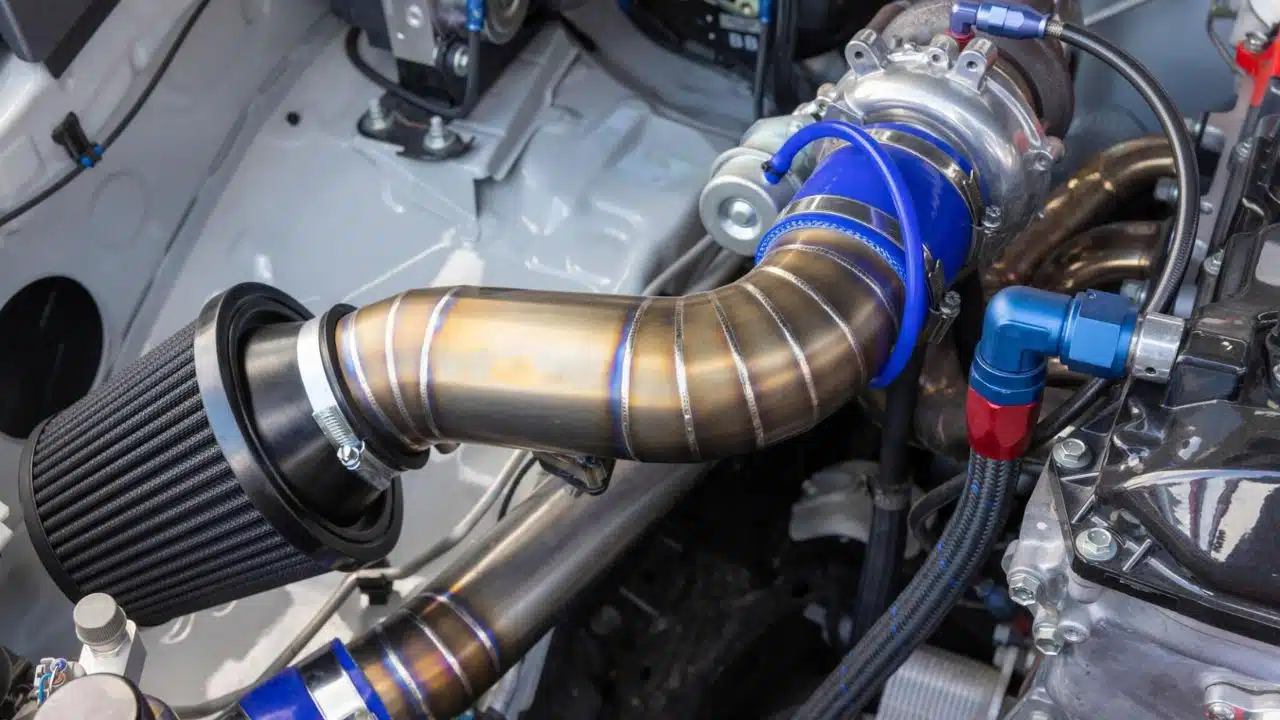
The intake system on your car plays a crucial role in engine performance and efficiency. Upgrading your intake can provide horsepower and torque gains, improved throttle response, and better fuel economy. When selecting an aftermarket intake system, there are several important factors to take into account:
Stock vs Aftermarket Intakes
The stock intake system equipped on most vehicles is primarily designed with cost-efficiency in mind, rather than optimizing for performance. Manufacturers often opt for designs that incorporate restrictive bends and utilize inexpensive paper filters. These elements are chosen to keep production costs low but at the expense of airflow efficiency. The restrictive nature of these components can impede the engine’s ability to draw in air, leading to less-than-optimal combustion processes and, consequently, reduced performance.
The Shift to Aftermarket Intakes
In contrast, aftermarket intakes are developed with a clear focus on enhancing vehicle performance. Brands that lead the market in this segment, such as AEM, K&N, and Injen, prioritize the use of high-quality materials and engineering principles to overcome the limitations found in stock systems. One of the key features of aftermarket intakes is the use of smooth, mandrel-bent tubing. This design choice significantly reduces air turbulence within the intake tube, facilitating a smoother air flow into the engine. The result is a more efficient air/fuel mixture, which can improve combustion efficiency and, by extension, the vehicle’s overall performance.
Enhanced Components for Maximum Efficiency
Aftermarket intakes also distinguish themselves through the use of superior filter materials and the incorporation of heat shields. Unlike the cheap paper filters in stock intakes, aftermarket filters are usually constructed from materials that offer higher airflow and better filtration capabilities. This not only improves performance but also extends the life of the filter, providing a better long-term investment. Additionally, the inclusion of heat shields in aftermarket systems plays a crucial role in reducing the temperature of the incoming air. Cooler air is denser, containing more oxygen for combustion, which further enhances engine performance by ensuring a more potent air/fuel mixture.
The Impact on Vehicle Performance
The transition from a stock to an aftermarket intake system can have a noticeable impact on a vehicle’s performance. By addressing the airflow restrictions and inefficiencies inherent in stock systems, aftermarket intakes provide a relatively simple yet effective way to increase horsepower, torque, and sometimes even fuel efficiency. Moreover, the enhanced sound of the engine breathing more freely is a welcome bonus for many enthusiasts, adding an auditory dimension to the performance improvements.
Intake Tubing Material and Diameter
Most performance intakes use lightweight aluminum alloy or composite materials that promote smooth airflow. The diameter of the intake tubes can vary from 2.5 to 4 inches or more. Wider diameters allow more air to enter the engine but may require ECU tuning adjustments. Smaller diameters around 3 inches work well for minimal mods.
Larger diameter intakes require upgrading other components like the mass air flow sensor to handle the extra airflow. Restrictive bends should be avoided – smooth mandrel-bent tubing is ideal.
Air Filter Types
Conical or round reusable air filters, particularly those from reputable brands like K&N, are designed to strike an optimal balance between high airflow and effective particle trapping. These filters are typically made from oiled cotton, a material choice that plays a significant role in their performance. The oil coating on the filter serves a dual purpose: it captures and holds onto debris and particulate matter, preventing them from entering the engine, while also ensuring that the airflow is not significantly restricted. This design philosophy allows for an enhanced mixture of air and fuel, leading to better combustion and, consequently, improved engine performance.
The Downside of Cheap Paper Filters
In contrast to the high-quality reusable filters, cheap paper filters are less efficient over time. Although initially less expensive, paper filters can quickly become a bottleneck for airflow. As they accumulate dirt and debris, their ability to allow air to pass through diminishes, leading to reduced engine efficiency and performance. Moreover, paper filters are disposable, necessitating frequent replacements which can add up in cost and contribute to environmental waste.
Heat Shields: Guarding Against Heat Soak
Some high-performance intake kits are equipped with a heat shield, an essential component that serves to insulate the air filter from the high temperatures of the engine bay. The primary function of the heat shield is to ensure that the air entering the filter remains as cool as possible. Cooler air is denser, containing more oxygen molecules, which can significantly enhance combustion efficiency when mixed with fuel. This cooler, denser air can lead to a noticeable improvement in engine performance, including increases in horsepower and torque.
Strategic Filter Placement for Enhanced Cooling
The placement of the air filter within the vehicle can also have a substantial impact on performance. Many performance-oriented intake systems position the filter in the front bumper area or in a location that maximizes exposure to cooler external air. This strategic placement ensures a steady supply of cold air, further boosting the engine’s performance capabilities. The cooler the air entering the engine, the better the combustion process, leading to more power and improved overall efficiency.
ECU Tuning Considerations
More aggressive systems require an ECU tune to account for changes in airflow. This allows the engine computer to optimize timing, fuel delivery, and other parameters. Tuning is highly recommended to realize the full potential of the intake.
Off-the-shelf tunes are available, but professional dyno tuning provides maximum results and safety. Standalone programmable ECUs offer the highest level of tune customization.
Installation Considerations
Many intake kits involve straightforward bolt-on installations that can be performed in an afternoon. Some require cutting or modifying stock components for fitment. Ensure you have the right tools on hand before beginning.
If not mechanically inclined, professional installation is recommended to ensure proper fitting. Some kits include all necessary gaskets, clamps, and brackets while others require the reuse or purchase of additional fittings.
Matching Your Goals
Ultimately the right intake depends on your goals. Top-of-the-line systems paired with proper ECU tuning will provide big gains in horsepower, torque, throttle response, and fuel efficiency. If optimizing performance is the priority, invest in quality components and professional dyno tuning. Consider your budget and engine compatibility as well when choosing the ideal intake system.