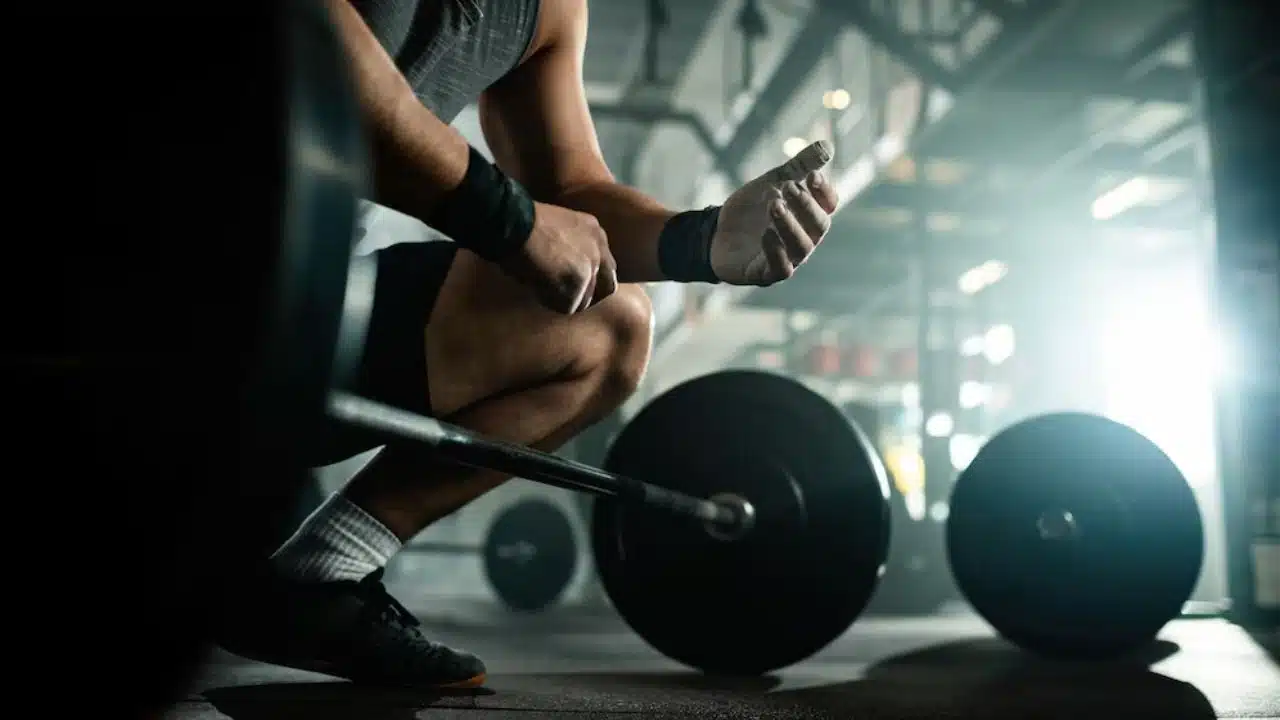
Conversations about fitness often revolve around lifting weights. It’s usually assumed that everyone has some experience with weight training and knows the difference between a dumbbell and a kettlebell, or a squat clean and a deadlift. However, weightlifting can become quite complex quickly.
Let’s simplify things and get back to the basics. What do you really need to know about weightlifting? Does it need to become an obsession? What common mistakes do people make, and how can you get more out of your weight training sessions, regardless of your level?
We sought advice from Wes Santos, founder of SGPTInstate Fitness in London and Surrey, and Farren Morgan, founder of The Tactical Athlete training method, to help us understand weightlifting better.
Benefits of Lifting Weights
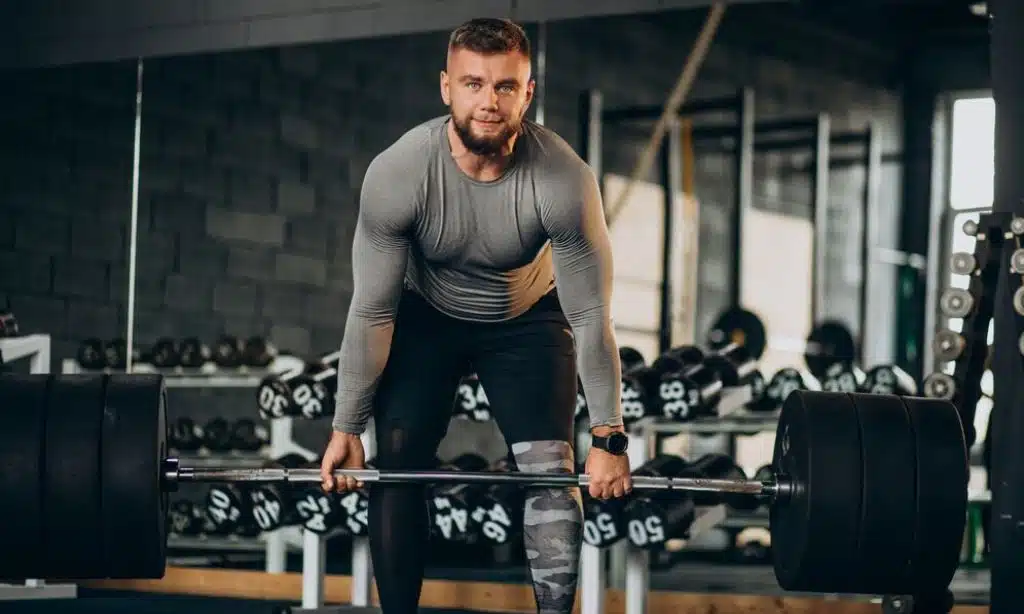
The main reason people lift weights is to build muscle and gain strength. Lifting weights makes your muscles adapt to physical stress, causing them to grow. It also has an obvious aesthetic benefit: if you do enough reps, your shirt sleeves will start to tighten. But there’s more to it than that.
“I’m biased, but resistance training is the closest thing to a magic pill,” Santos says enthusiastically. “Research shows that resistance training improves mood, body composition, bone health, sexual desire, and sports performance, and reduces the risk of dying from cancer and heart disease.”
“Weight lifting stimulates endorphins, increases self-esteem and self-confidence, and counteracts the effects of anxiety and depression,” Morgan adds.
Common Mistakes Beginners Make
We’ve all been there: you decide to get in shape, go to the gym for a week, but then you get injured or exhausted and give up. Without realizing it, you start from scratch again.
According to Morgan and Santos, beginners often make these mistakes:
- Expecting results too quickly
- Not understanding that there will be setbacks
- Not following a plan
- Not allowing enough time to sleep and recover
- Getting too complicated
- Prioritizing big lifts and complex workouts over mastering simple exercises
What Should Weightlifting Beginners Do?
“Your lifestyle influences your physical fitness and your ability to lift weights,” Morgan explains. “To completely transform your physique, you must be willing to make necessary changes, which include rest and a healthy diet composed of carbohydrates, proteins, and healthy fats.”
In addition to working with a trainer to assess your fitness at the beginning, Santos emphasizes the importance of learning the mechanics of different lifts: the hinge (deadlift and kettlebell), the squat pattern (back squat, front squat, leg press), the pushing pattern (push-ups, bench press, shoulder press), and the pulling patterns (pull-ups, rows, chin-ups).
Which of these lifting mechanisms interests you most will depend on your training program. Be sure to ask your physical therapist or gym partner to properly explain each movement before you begin to avoid injury.
What to Do When You Hit a Plateau
Once you reach an intermediate level, you may notice that your progress plateaus. It’s frustrating, but it happens to everyone.
Santos suggests increasing your protein intake (1.5g per 1kg of body weight) to help recover from muscle tissue breakdown and tracking your training to ensure you’re constantly challenging yourself.
Morgan recommends slowing down movements to focus on form, especially during the eccentric (lowering) phase. Progressive overload—gradually increasing the weight you lift—is also crucial for muscle growth.
Finally, the most important part of lifting weights is recovery, including sleep. “Sleep is essential for producing growth hormones and amino acids that contribute to protein production in the body,” Morgan explains. “The longer you sleep, the better rested you will feel, the better you will perform, and the stronger your muscles will become.”
Weightlifting Workouts for Different Levels
Here are some suggested workouts based on your fitness level:
Weightlifting for Beginners
Morgan recommends four sets of six repetitions of each of the following exercises:
One-Arm Dumbbell Row:
- Place your left hand and knee on a bench to support your weight.
- Keep your back straight and head aligned with your spine.
- Bend your right elbow to lift a dumbbell toward your chest.
- Lower yourself to the starting position.
Kettlebell Squats:
- Stand with your feet slightly wider than hip-width apart.
- Hold the kettlebell close to your chest.
- Bend your knees and lower into a squat.
- Use your heels to return to the starting position.
Barbell Bicep Curls:
- Stand with your feet shoulder-width apart, holding the bar with an underhand grip.
- Keep your chest straight and draw your shoulders back as you lift the bar toward your chest.
Weightlifting for Intermediates
Morgan suggests three sets of 8-12 repetitions for these exercises:
Leg Extensions:
- Adjust the machine to fit you comfortably.
- Flex your quads and extend your legs.
- Lower your feet back to the starting position.
Incline Dumbbell Bench Press:
- Adjust the bench and lie down with a dumbbell in each hand.
- Push the dumbbells up, then lower them to expand your chest muscles.
- Push the dumbbells up again.
Concentration Curl:
- Sit on a bench and lean forward slightly.
- Place your elbow near your knee and lift the dumbbell toward your chest.
- Complete all reps for one arm, then switch.
Weightlifting for Advanced
For advanced lifters, mix up your routine with these exercises:
Hanging Leg Raises (Three sets of 20 repetitions):
- Grab a pull-up bar, palms facing forward.
- Keep your legs straight and raise them as high as possible.
- Lower your legs back to the starting position.
Walking Lunges with Dumbbells (Three sets of 10-15 repetitions):
- Step forward with one leg, bending it until your back knee touches the ground.
- Raise your stance and bring your back foot forward.
- Repeat with the opposite leg.
Dips with Weights (Four sets of 6-12 repetitions):
- Put on a weight belt and grab the dip bars.
- Lower your body until your shoulders are level with your elbows.
- Hold briefly before returning to the starting position.